
 EN
EN
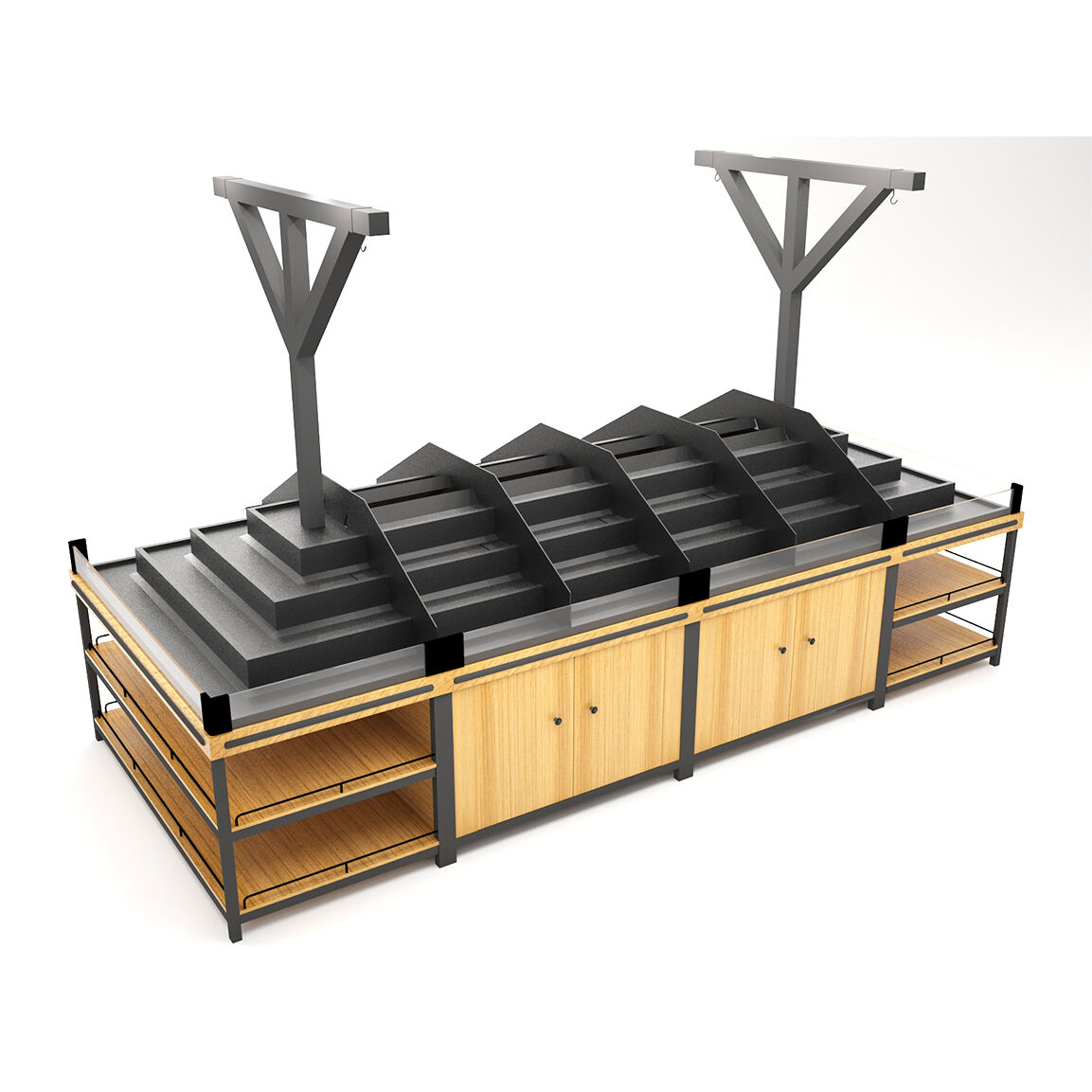
How Step Riser Height Creates Visual Hierarchy and Drives Attention
The Psychology of Vertical Attention: Why Eyes Move Upward First
We tend to look at stores starting from the floor and moving up naturally, something that comes from how our brains work when taking in what we see around us. Putting stuff on higher shelves really grabs attention because it breaks up all the same old stuff at eye level. Research shows that about two thirds of people notice things first when they're displayed higher up in shops. Retailers use tiered setups to take advantage of this habit, making straight shelves into interesting spaces where customers' eyes naturally travel upwards. This kind of vertical shopping experience helps retailers showcase their pricier products without shoppers even realizing they're being guided toward them.
Data-Driven Proof: 37% Uplift in Dwell Time with Tiered Acrylic Riser Stands
Research on retail environments shows how changing display heights makes a real difference. Stores that switched from flat setups to these tiered acrylic displays actually got customers spending about 37% more time looking around according to the Retail Analytics Journal last year. What makes acrylic so effective? Well, when light passes through it, products just stand out more. The clear material doesn't block views but instead draws attention directly to what's being sold. Combine this visual appeal with varied heights and suddenly shoppers are stopping longer, checking things out from different angles. For retailers wanting better engagement without breaking the bank, this setup offers concrete benefits beyond just aesthetics.
- Higher tiers capture 3.2x more attention than eye-level shelves
- Angled sightlines reduce product obscurity by 41%
- Transparent staging increases perceived product value
Why Uniform Shelf Heights Undermine Conversion
When all shelves sit at the same height, products end up fighting for attention instead of working together as a display should. Shoppers don't just walk past these setups because everything looks so similar they actually have to hunt around for what they want. Research shows stores lose about 29% of potential sales when displays aren't varied enough. The problem gets worse with flat displays too since small items often get hidden behind bigger stuff. Step risers fix this whole mess by creating distinct spots on different levels. Each level acts like its own little stage where products can shine without getting lost in the crowd. What happens next? People stop walking by and start interacting with what's on display instead.
Strategic Product Zoning Using Step Riser Stands
Defining Hero, Supporting, and Impulse Zones Through Riser Height
When stores use step risers for retail display zones, they turn boring shelves into smart selling spots that actually work with how people look at things vertically. The top section becomes what we call the Hero Zone, where stores put their most expensive stuff or brand new products. Studies show around 78% of shoppers first glance right there when walking past (Journal of Consumer Psychology, 2023). Middle height risers create the Supporting Zone, great for items that go well together next to each other. And down below is the Impulse Zone, usually holding smaller items that sell quickly and are placed near checkout counters. Our eyes naturally scan upwards anyway, so products positioned about 15 to 20 degrees above normal eye level grab attention almost three times faster than regular shelf items according to Visual Merchandising Institute research from 2022. Stores that adjust these riser heights properly can guide customers through their shopping journey, starting with those big ticket items and then leading them towards sensible extra purchases along the way.
Best Practices for Organizing Products on Tiered Displays (Based on Nielsen Retail Audit Data)
Implementing tiered displays requires disciplined, data-informed placement. Nielsen retail audits identify three foundational rules:
- Position hero products at 55–65 inches–the optimal adult eye-level range–to increase dwell time by 37%
- Group supporting items by color story or usage scenario on middle tiers to strengthen cross-selling
- Place impulse items like accessories on lower levels near checkout zones, where unplanned purchases spike by 28%
Complementary pairing across adjacent tiers increases average basket size by 22%. Rotating featured SKUs to the highest riser every 4–6 weeks sustains novelty and relevance. Retailers using this zoning framework report 19% higher sales density per square foot versus flat arrangements.
Maximizing Product Visibility with Acrylic Step Risers
Light + Transparency = Amplified Focus: How Acrylic Refracts Attention to Key SKUs
Acrylic step risers make products stand out because of how light actually works, not just because they look nice. Light travels differently when it goes through clear acrylic material. It kind of wraps around whatever is displayed there, making these glowing effects that really catch the eye. According to some research from last year's shopper behavior study, this can actually increase how visible things are by about half compared with regular non-transparent risers. The way the light refracts basically creates a built-in spotlight effect that naturally draws customers' eyes towards those premium priced items sitting higher up on display shelves.
| Factor | Impact on Visibility |
|---|---|
| Material Clarity | Eliminates visual noise |
| Light Refraction | Creates natural spotlighting |
| Vertical Elevation | Captures 68% more first-gaze attention |
Acrylic’s transparency ensures products–not hardware–remain the focal point. Retailers report acrylic riser setups increase conversion rates by 12%, primarily because featured items dominate sightlines without visual competition.
Measuring Sales Impact: How Step Riser Displays Boost Performance
Case Study: Luxury Cosmetics Brand Achieves 22% Lift in Basket Size Post-Riser Rollout
An upscale beauty brand struggling against tough competition in crowded stores managed to boost flatlining sales when they started using stepped display stands at their main outlets. Before putting these displays into action, customers typically spent around $85 per visit. After rolling them out gradually over three months, the average jumped nearly 22%, pushing past $103. The success came from those layered displays that highlighted flagship products but also made it easier for shoppers to grab extra stuff like makeup brushes and facial serums. People actually lingered 30% longer looking at these setups, and our tracking showed that longer times definitely led to more spontaneous buying. What this shows is that thoughtful store design based on how humans actually look at things and what materials work best can really make a difference in making customers spend more money and try different products.
FAQ Section
What are step risers?
Step risers are shelf arrangements that use various heights to create visual layers in retail displays, enhancing product visibility and engagement.
How do step risers affect customer behavior?
Step risers naturally guide customers’ eyes upwards, increasing the likelihood of attention on higher tier products and leading to lengthier engagement and higher sales.
Which products should be placed on higher tiers?
Consider placing high-value, new, or flagship products on higher tiers where they form the 'Hero Zone'.