
 EN
EN
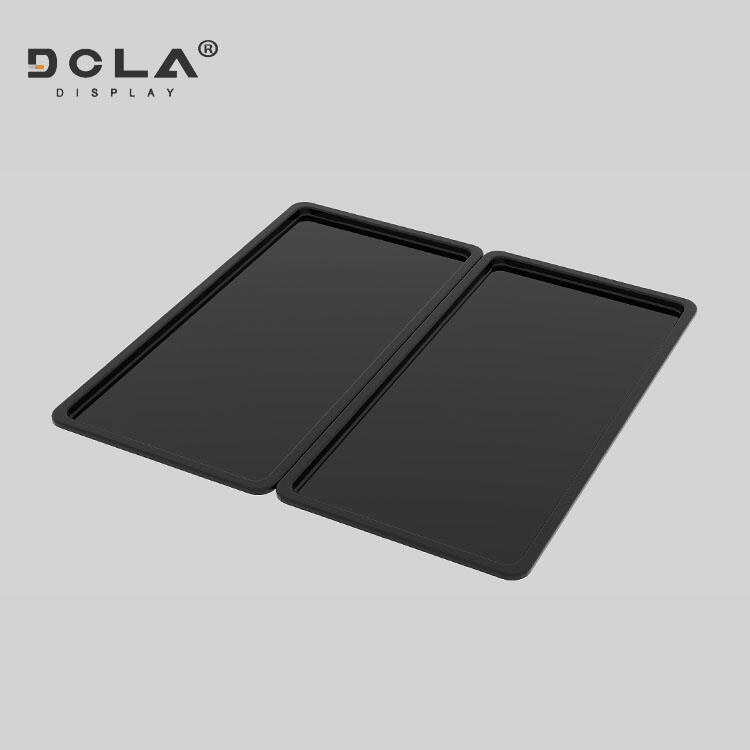
Why Grooved Butcher Meat Trays Improve Blood Drainage and Meat Integrity
The Science: How Grooves Leverage Gravity and Capillary Action for Rapid Fluid Removal
Butcher meat trays with grooves help drain fluids faster because they work with nature rather than against it. Gravity does most of the heavy lifting here, pulling blood down those angled channels. At the same time, something called capillary action gets to work too, basically using surface tension to suck liquid into those little grooves. Tests published last year in the Journal of Food Engineering showed these grooved trays cut down how long fluids stay in contact with meat by around 30 to 50 percent compared to regular flat trays. Another benefit is that the shape of these channels actually makes meat stick less to the tray surface. This means juices get directed away from where they shouldn't be hanging around, keeping the meat looking better for longer periods.
| Drainage Factor | Grooved Trays | Flat Trays | Improvement (%) |
|---|---|---|---|
| Fluid Removal Time | 8–12 mins | 15–22 mins | 40% faster |
| Residual Moisture | ≤0.8 mL/kg | 1.5–2 mL/kg | 50% reduction |
| Contact Surface Area | 35% less | Baseline | — |
Quality Impact: Reduced Blood Retention Preserves Color, pH, and Shelf Life
Getting rid of excess blood quickly makes a big difference in keeping meat quality high. When meat isn't exposed to those oxygen rich fluids for so long, the myoglobin doesn't oxidize as fast, which helps keep that nice red color we all look for. Tests using CIE Lab color measurements actually show about 20% less oxidation compared to just leaving meat on regular flat trays. The faster removal of fluids also keeps the pH level after slaughter around that sweet spot between 5.6 and 5.8, which stops bacteria from getting started too soon. Following proper food safety guidelines, this process typically adds 2 to 3 extra days of shelf life in the fridge. Plus, when there's less pooling of fluids, the meat loses about 18% less liquid overall. That means better yields for processors and consistent texture throughout the product, something that meets those USDA standards most plants have to follow anyway.
Meeting Food Safety Standards: Grooved Butcher Meat Trays in HACCP and Sanitation Protocols
Grooved trays help keep things in line with food safety regulations because they manage that leftover fluid which is basically where pathogens love to grow when dealing with raw meat. The USDA-FSIS has set standards requiring packaged meats to have under 2% residual fluid by weight. Groove systems actually hit this mark most of the time since they direct blood away from the surface of the meat products. When it comes to FDA rules about what materials can touch food, these trays work as long as they're made from non absorbent stuff that's got NSF certification. Meat processing plants that switched to grooved trays saw about 30% less fluid sticking around compared to regular flat trays. Less moisture means fewer chances for bad bacteria to spread while the meat is being stored or moved around between locations.
Regulatory Alignment: USDA-FSIS and FDA Expectations for Residual Fluid Control
Fluid management turns out to be one of those key points that the Hazard Analysis Critical Control Point or HACCP system flags as important during meat processing operations. Grooved trays actually do most of the work here since they allow for consistent fluid removal that can be measured again and again. This kind of repeatability makes all the difference when it comes time to document everything for HACCP verification purposes. Meat processors who incorporate these trays typically find it much easier to hit the USDA-FSIS target of keeping residual fluids below 2%. Plus, these same trays help fulfill FDA guidelines regarding food contact surfaces that need to stay clean and free from pores where bacteria might hide. The combination of meeting both sets of standards becomes significantly simpler with proper grooved tray implementation across processing lines.
Operational Integration: Updating SOPs to Specify Grooved Tray Use During Receiving and Fabrication
Sanitation Standard Operating Procedures (SSOPs) should explicitly mandate grooved tray use at key intervention points:
- Receiving docks: Require grooved trays for primal cuts to initiate immediate post-unloading drainage
- Fabrication lines: Install grooved trays beneath cutting stations to capture fluids before they spread
Staff training must include groove-specific cleaning techniques—particularly the use of pressurized spray nozzles—and emphasize visual inspection for residue. Facilities that integrate these updates reduce sanitation labor by 25% annually while strengthening audit readiness.
Mitigating Microbial Risk: Drainage Efficiency vs. Biofilm Management in Grooved Trays
Evidence-Based Assurance: NSF-Validated Reduction in E. coli and Salmonella Adhesion Post-Drainage
Tests done by NSF show grooved trays cut down E. coli and Salmonella sticking to surfaces by about 58% when compared with regular flat trays. What makes this work isn't anything fancy like antimicrobial stuff, it's just good design. The grooves help get rid of fluids quickly, so bacteria don't have those nice little pools of blood with all their nutrients sitting around waiting to be colonized. When there's less moisture on the surface, bacteria struggle to move around too. This stops them from attaching properly which is really important because that first step is what leads to those stubborn biofilms forming especially during times when contamination risks are highest in processing areas.
Best Practice: Cleaning Validation and Drying Protocols That Eliminate Groove-Specific Risks
While grooves enhance drainage, their geometry demands targeted hygiene practices:
- Chemical selection: Alkaline-based cleaners effectively penetrate microstructures and hydrolyze organic residues
- Mechanical action: High-pressure spray systems (≥1,500 PSI) ensure complete debris removal from channel corners
- Drying validation: Infrared moisture sensors verify residual humidity remains below 0.2%, preventing biofilm regrowth
Facilities applying these validated protocols achieve a 99.8% reduction in groove-associated contamination. ATP (Adenosine Triphosphate) swab testing provides objective, real-time verification—ensuring ongoing compliance with HACCP critical limits.
FAQ
-
What is the advantage of using grooved trays for meat drainage?
Grooved trays improve fluid drainage efficiency, reducing the time blood stays in contact with meat and preserving meat quality. -
How do grooved meat trays affect the shelf life of meat?
These trays help maintain optimal pH levels and reduce oxidation, adding 2 to 3 extra days to meat shelf life. -
Can grooved trays help meet food safety standards?
Yes, they aid in compliance with USDA-FSIS standards by minimizing residual fluid content which reduces bacterial growth risks. -
Are grooved trays effective in bacterial contamination control?
Grooved trays decrease adhesion of bacteria like E. coli and Salmonella by around 58%, reducing contamination risk.
Table of Contents
-
Why Grooved Butcher Meat Trays Improve Blood Drainage and Meat Integrity
- The Science: How Grooves Leverage Gravity and Capillary Action for Rapid Fluid Removal
- Quality Impact: Reduced Blood Retention Preserves Color, pH, and Shelf Life
- Meeting Food Safety Standards: Grooved Butcher Meat Trays in HACCP and Sanitation Protocols
- Mitigating Microbial Risk: Drainage Efficiency vs. Biofilm Management in Grooved Trays
- FAQ