
 EN
EN
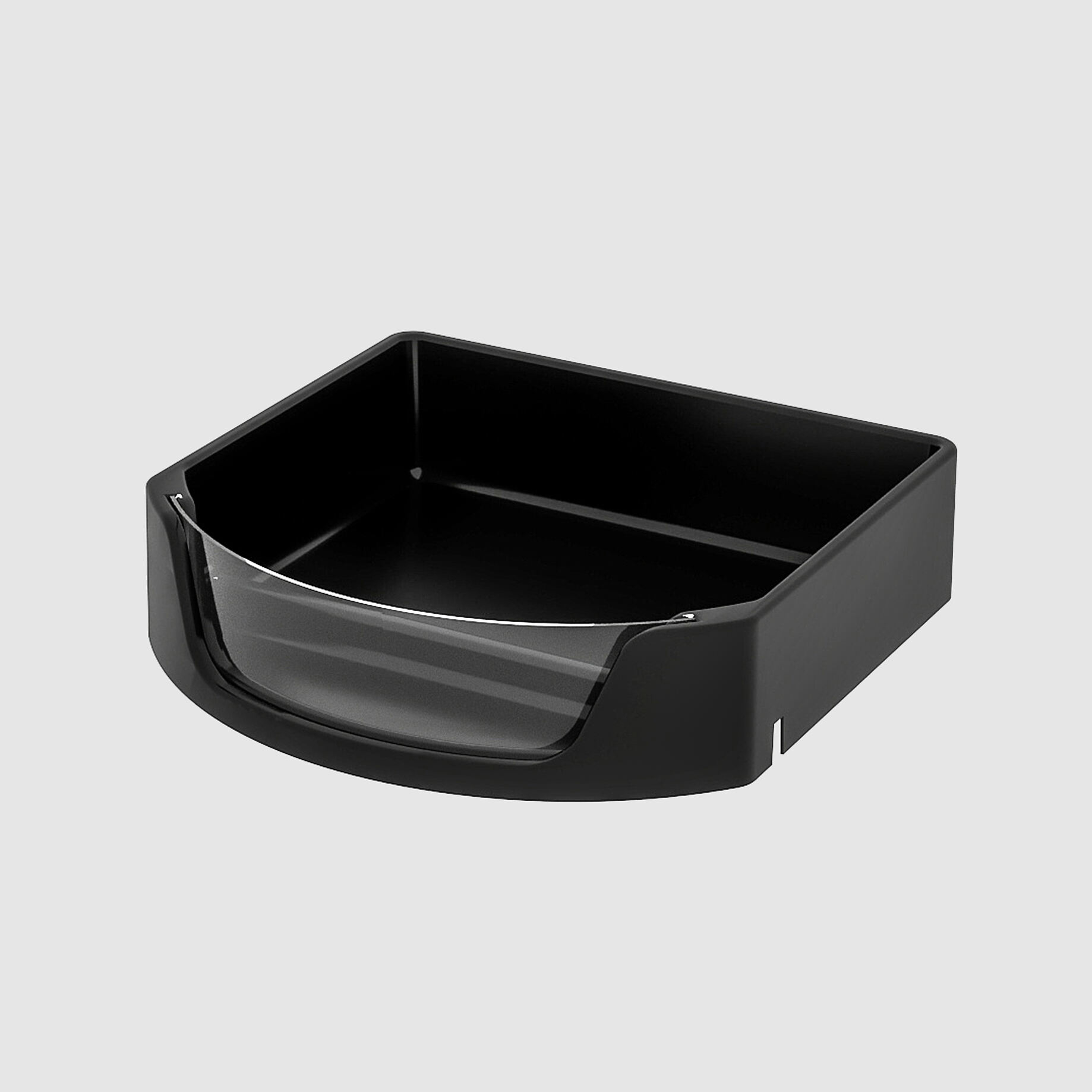
Why a Tray with Curved Front Enhances Customer Engagement and Sales Conversion
The Ergonomic Eye-Path Principle: How Curvature Guides Natural Gaze Flow
People tend to follow curved lines naturally with their eyes, which is why trays with rounded fronts work so well at drawing customer attention. The design makes sense from an eye movement perspective really. When goods are arranged along smooth curves, shoppers can see everything laid out before them without having to constantly refocus. Think about those little pastries in bakeries for instance, macarons and financiers look much better when displayed on curved surfaces. As customers walk by, these gentle curves actually guide their eyes toward whatever product happens to be featured prominently in the middle. Studies in neuroscience suggest that curved displays help people remember what they see about 40 percent better than sharp angled ones do. This means stores aren't just showing products anymore they're creating experiences that make shoppers stop and look longer.
Real-World Impact: 32% Uplift in Small-Item Sales After Adopting Tray with Curved Front (Parisian Patisserie, 2023)
Le Pain Quotidien noticed some pretty amazing changes after switching to those new pastry display trays with curved fronts. Just three months later, they saw a jump in small item sales - around 30% more people grabbing those tiny pastries like mille-feuilles and mini tartlets that used to get lost back there. The real game changer was how those curved edges got rid of those annoying blind spots where stuff just disappears from view. Most folks decide what to buy in under ten seconds anyway, according to Retail Bakery Insights from last year. And here's something else interesting: putting those side items right where customers look naturally cut down on food waste by about 15%. No need for staff to constantly rearrange things now since everything stays visible all day long.
Selecting the Right Bakery Display Case Using Tray with Curved Front as a Design Benchmark
Three Fit-Critical Specifications: Depth, Radius, and Material Clarity
How deep the curve goes affects just how much it reaches out towards shoppers standing nearby. Most display cases look best when they're around 4 to 6 inches deep, letting products rest where people naturally look without feeling cramped. When it comes to the actual curve itself, matching it to the size of the case matters quite a bit. Narrower cases usually handle tighter curves with radii between 6 and 8 inches pretty well. But for those bigger displays, something with a more gradual sweep of at least 10 inches tends to work better overall. The material choice here really counts too. Clear acrylic or glass makes all the difference for seeing through to whatever's inside. Frosted finishes or anything with texture just bounce light around instead of letting it pass through cleanly, which defeats the whole purpose of having that curved front in the first place.
Balancing Form and Function: When Tray with Curved Front Optimizes vs. Constrains Shelf Capacity
Curved front displays definitely boost product visibility somewhere around 30 to maybe even 40 percent, but there's a tradeoff since they take away about 15 to 20 percent of linear shelf space compared to regular flat trays. For products where looks matter most, especially those premium priced items like fancy macarons or handcrafted chocolates that customers buy on a whim, curved fronts work wonders. But when dealing with bigger items that don't need to look良好; good from every angle, like baguettes or other bread products, sticking with standard flat trays makes more sense. To get around the space issue caused by curved displays, many stores are turning to multi-level setups that stack vertically. The numbers back this up too. One major bakery operation in Europe saw their sales per square foot jump nearly 20% after mixing both display types together in their stores last year according to industry reports.
Strategic Layout Planning Around Tray with Curved Front for Maximum Visual Impact
Zoning High-Value Items in Front-and-Center Micro-Presentation Zones
Bakers know that the curved front of display cases naturally guides customers' eyes toward the middle front section, which becomes sort of a hotspot for showcasing special treats. That prime spot should be reserved for fancy stuff like handcrafted macaroons or those exclusive pastries people come back for again and again. When placing these items, angle them slightly so they catch the eye from different directions but still leave enough space for folks to walk by comfortably. Studies show most people look right there first when entering a bakery (Retail Bakery Insights reported around 78% focus on this area back in 2024). Change what goes in that spotlight every week or so to keep things fresh, and mix colors between nearby displays so everything doesn't blend together visually. What happens? Customers who just wandered in start noticing specific products instead of just passing through, and smart layout choices actually boost sales numbers over time.
FAQ: Understanding Tray with Curved Front Design
Why are trays with curved fronts more effective?
Trays with curved fronts naturally guide customers' gaze, enhancing visibility and making products more memorable, which boosts sales.
How do curved trays reduce food waste?
Curved trays improve visibility, reducing blind spots and ensuring that items in out-of-sight locations are not overlooked, cutting down on food waste.
What specifications are critical when using curved trays?
The depth, radius, and material clarity of the tray are essential for optimal display and engagement.
Table of Contents
- Why a Tray with Curved Front Enhances Customer Engagement and Sales Conversion
- Selecting the Right Bakery Display Case Using Tray with Curved Front as a Design Benchmark
- Strategic Layout Planning Around Tray with Curved Front for Maximum Visual Impact
- FAQ: Understanding Tray with Curved Front Design