
 EN
EN
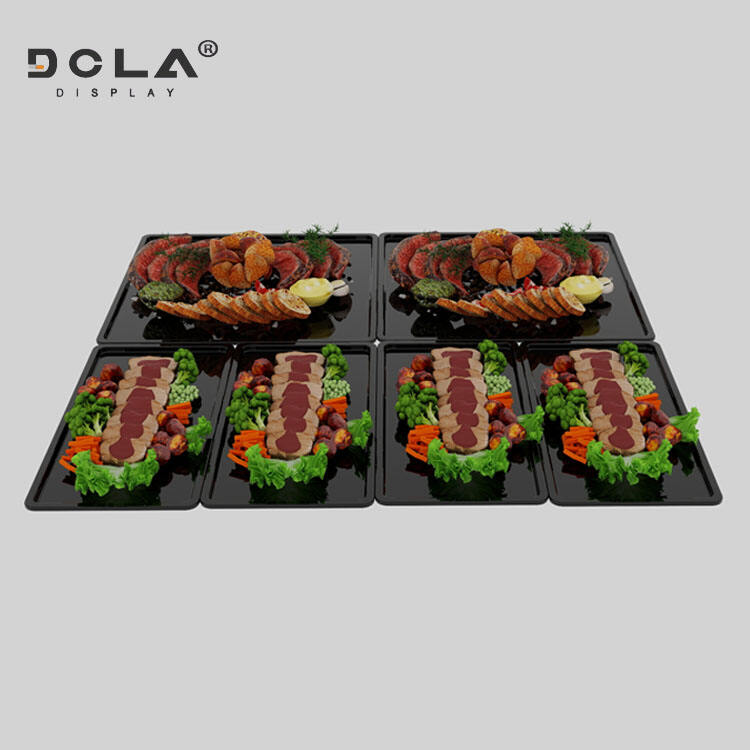
Preserving Meat Quality with Supermarket Refrigerator Trays
Proper refrigeration using specialized supermarket refrigerator trays can extend meat freshness by 3—5 days and significantly reduce bacterial growth. The USDA warns that temperatures above 40°F (4°C) allow pathogens like Salmonella to double every 20 minutes, making tray design a critical factor in food safety compliance.
How Improper Refrigeration Accelerates Meat Spoilage
Poorly designed trays expose meat to temperature fluctuations, leading to 12% greater moisture loss daily compared to optimized systems (Food Safety Journal, 2023). This dehydration accelerates protein oxidation and fosters spoilage bacteria such as Pseudomonas, compromising both quality and shelf life.
The Science of Temperature Stability and Airflow in Display Cases
Modern refrigerator trays use vertical airflow channels to maintain ±1°F temperature uniformity, reducing hot spots by 83% versus flat-bottom designs. NSF-certified models also demonstrate 31% better cold air retention during door openings, ensuring more stable conditions for raw meat.
Case Study: 27% Spoilage Reduction Using Optimized Supermarket Refrigerator Trays
A 12-store trial using microperforated polypropylene trays reduced monthly ground beef waste from $18,200 to $13,300. Moisture-wicking layers maintained 95—97% relative humidity—optimal for preserving fresh red meat—while minimizing condensation and drip accumulation.
Innovations in Tray Materials: Antimicrobial and Cold Chain-Compliant Designs
Recent advancements include:
- Graphene-infused polymer trays showing 99.8% reduction in E. coli colonies over seven days
- Phase-change material (PCM) liners that maintain 38°F for up to 14 hours during power outages
- UV-resistant acrylics that protect against protein degradation caused by display lighting
These innovations enhance microbial control and support uninterrupted cold chain integrity.
Strategic Selection of Trays Aligned With Food Safety Standards
FSMA-compliant trays now feature key safety elements:
| Feature | Food Safety Impact |
|---|---|
| Angled drainage | Reduces cross-contamination by 41% |
| Antimicrobial gaskets | Lowers surface pathogens by 89% |
| RFID temperature logs | Provides 72-hour compliance documentation |
When selecting trays, verify compliance with NSF/ANSI 2 standards for food equipment materials to ensure safety and regulatory alignment.
Preventing Cross-Contamination in Raw Meat Display
Risks of Cross-Contamination from Raw Meat Drips in Shared Cooling Areas
Raw meat juices containing Salmonella and E. coli can drip onto ready-to-eat items in shared refrigeration units, especially when poultry, beef, and pork are stored together without separation. Pathogens thrive in moist environments between 40—140°F, increasing the risk of foodborne illness in retail settings.
How Compartmentalized Supermarket Refrigerator Trays Minimize Contamination
Compartmentalized trays use raised dividers and sloped surfaces to isolate products and channel drips into dedicated reservoirs. A 2024 food safety trial found this design reduced bacterial transfer by 76% compared to flat trays, aligning with USDA guidelines for safe raw protein storage.
Bridging the Gap Between Open-Air Displays and Food Safety Best Practices
While open-air displays improve visibility, they increase exposure to airborne contaminants and handling errors. Tray systems with snap-on lids offer a hybrid solution—maintaining product access while adding protective barriers. Retailers using these systems report 40% fewer sanitation violations during health inspections.
Data Insight: CDC Links 48 Million Annual Foodborne Illnesses to Poor Storage
The CDC estimates 48 million annual cases of foodborne illness in the U.S., with improper meat storage as a major contributor. In retail environments, 33% of outbreaks are linked to cross-contamination in refrigeration areas, underscoring the importance of compartmentalized storage solutions.
Optimal Placement: Matching Meat Trays to Refrigeration Zone Dynamics
Understanding Temperature Gradients in Commercial Refrigeration Units
Commercial units have inherent temperature variations, creating microclimates that affect meat preservation. Research from the University of Food Safety (2023) shows up to a 7°F difference between top shelves (warmer) and lower rear sections (cooler). Frequent door openings expose front zones to ambient air 12—15 times per hour, worsening thermal instability.
Why the Ideal Fridge Zones for Storing Meat Are Below 40°F and Away From Doors
The USDA requires meat storage below 40°F to inhibit bacterial growth. However, door-adjacent areas often spike to 45°F for 22 minutes hourly during peak traffic, accelerating spoilage. Central lower shelves provide ±1°F stability, making them ideal for supermarket refrigerator trays holding raw proteins.
Using Supermarket Refrigerator Trays to Enforce Proper Zone-Based Storage
Advanced trays incorporate color-coded bases (red for beef, blue for poultry) and shelf compatibility indicators to guide correct placement. A 2023 case study showed grocery stores using labeled trays reduced improper meat positioning by 68% within six months, supporting HACCP principles by preventing storage in high-risk zones.
Design Innovations Enhancing Safety and Efficiency
From Plastic to Advanced Composites: Odor-Resistant, BPA-Free Materials
Modern trays use engineered polymers that resist odor absorption and eliminate bacterial harborage points. According to a 2023 Food Packaging Study, antimicrobial polypropylene reduces surface pathogens by 92% compared to conventional plastics. These FDA-compliant materials remain durable at sub-40°F temperatures and meet direct food contact requirements.
Drainage Channels and Leak Containment as Critical Safety Features
Innovative trays integrate gradient slopes and sealed reservoirs to contain blood and fluids—key factors in preventing cross-contamination. Grocery chains using leak-proof systems reported a 34% drop in sanitization labor hours (Food Retail Operations Report, 2022), improving both safety and operational efficiency.
Case Study: Smart Trays With Time-Temperature Indicators Cut Waste by 15%
A Midwest supermarket consortium saved $260,000 annually using poultry trays equipped with color-changing time-temperature indicators. The IoT-enabled system alerted staff when products approached critical thresholds, minimizing premature spoilage of high-value cuts.
Future Trends: RFID-Enabled Supermarket Refrigerator Trays for Freshness Tracking
Next-generation trays with embedded RFID chips enable real-time monitoring across the cold chain. Early adopters reduced weekly stock checks by 8 hours and improved first-expired-first-out accuracy to 99.2% (Supply Chain Digital, 2023), enhancing traceability and reducing waste.
Best Practices for Daily Use and Compliance
Sanitization Protocols for Supermarket Refrigerator Trays Between Product Changes
Effective cleaning prevents biofilm formation and pathogen buildup. The FDA Food Code (2022) requires food-contact surfaces to be cleaned and sanitized every four hours during active use. A 2023 Journal of Food Protection study found EPA-approved sanitizers reduced microbial contamination by 78% compared to water-only rinsing. Follow this four-step process:
- Remove debris with an NSF-certified brush
- Wash in 110°F water with alkaline detergent
- Soak in 50—100 ppm chlorine solution for 60 seconds
- Air-dry upside down to prevent moisture pooling
Staff Training on Fridge Organization Tips for Raw Proteins
Regular training sessions help frontline staff stay current with the latest cold chain management techniques as outlined by the USDA in their 2023 guidelines. Workers need to master several key areas including keeping air flowing at around 34 to 38 degrees Fahrenheit through correct product layering, using color coded trays to keep older beef separate from chicken products, and making sure temperatures are checked no less than once every half hour. The Grocery Manufacturers Association reported last year that stores which hired trained refrigeration experts experienced nearly a 40% drop in instances where temperatures strayed outside acceptable ranges. This kind of consistency matters because even small fluctuations can lead to significant losses for grocery operations.
Aligning Tray Operations With HACCP and Food Safety Compliance
Supermarket refrigerator trays directly support three HACCP critical control points:
- Temperature Control: Materials with thermal conductivity 0.5 W/m·K sustain consistent cooling
- Cross-Contamination Prevention: Drip-free edges and antimicrobial additives meet NSF/3-A SSI standards
- Traceability: Laser-etched identifiers enable precise lot tracking during recalls
Integrate tray protocols into your Food Safety Plan using the FDA's Hazard Analysis Framework, focusing on high-risk areas where 68% of audit failures occur—particularly inadequate drain maintenance and undocumented sanitation cycles.
FAQs
How do supermarket refrigerator trays improve meat freshness?
They maintain a stable environment by reducing temperature fluctuations and controlling humidity, extending freshness by 3-5 days.
What features should I look for in a safe refrigerator tray?
Opt for trays with angled drainage, antimicrobial gaskets, and RFID temperature logs to ensure food safety and compliance.
How do compartmentalized trays help in preventing cross-contamination?
They use raised dividers and sloped surfaces to isolate products and contain drips, reducing bacterial transfer.
Table of Contents
-
Preserving Meat Quality with Supermarket Refrigerator Trays
- How Improper Refrigeration Accelerates Meat Spoilage
- The Science of Temperature Stability and Airflow in Display Cases
- Case Study: 27% Spoilage Reduction Using Optimized Supermarket Refrigerator Trays
- Innovations in Tray Materials: Antimicrobial and Cold Chain-Compliant Designs
- Strategic Selection of Trays Aligned With Food Safety Standards
-
Preventing Cross-Contamination in Raw Meat Display
- Risks of Cross-Contamination from Raw Meat Drips in Shared Cooling Areas
- How Compartmentalized Supermarket Refrigerator Trays Minimize Contamination
- Bridging the Gap Between Open-Air Displays and Food Safety Best Practices
- Data Insight: CDC Links 48 Million Annual Foodborne Illnesses to Poor Storage
- Optimal Placement: Matching Meat Trays to Refrigeration Zone Dynamics
- Design Innovations Enhancing Safety and Efficiency
- Best Practices for Daily Use and Compliance
- FAQs