 EN
EN
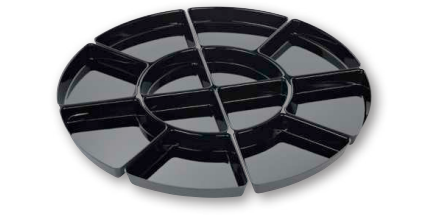
The Strategic Advantage of the Tray with Curved Front in Premium Packaging
Why the Tray with Curved Front Stands Out on Shelves and in E-Commerce
Retailers have noticed something interesting about curved front trays compared to those with sharp corners. According to Packaging Digest from last year, these curved designs actually catch shoppers' eyes about 39 percent more often in stores. The gentle curves seem to draw attention right where products are placed, making them stand out better even when surrounded by other items on shelves. When it comes to online shopping, the same curved shape works wonders for photos too. Product images look much more three dimensional rather than just flat pictures, which cuts down customer complaints by around 18%, per a recent trend report on e-commerce packaging. And there's another practical advantage nobody talks about enough: rounded edges get damaged less during shipping. That matters a lot since surveys show that nearly three quarters of people say they won't buy expensive items again if the box arrives looking beat up.
How Shape Influences Consumer Perception and Brand Premiumness
Research into neuromarketing suggests that when it comes to packaging, curves really do work wonders. People associate curved designs with artisan craftsmanship about 27 percent more than they do with those boring old rectangles. And there's something about rounded shapes that just feels friendlier somehow. They don't scream at us from store shelves like boxes tend to do. For luxury products specifically, blind tests have found consumers actually perceive them as being worth around 14% more when presented in these softer forms. The benefits go beyond looks too. Curved packaging isn't just pretty to look at. According to a study published in the Ergonomics in Design Journal last year, these round trays need roughly 22% less effort to open compared to standard box packaging. Makes sense why so many brands are switching over. When customers can get their hands on products effortlessly right out of the gate, it creates that warm fuzzy feeling we all love during unboxing moments.
Case Study: Luxury Skincare Brand Boosts Engagement Using Curved-Front Trays
One small skincare brand recently revamped their expensive serum kits (priced over $250) by switching to these cool curved PETG trays. Sales jumped by 40% during the first quarter after launching, while Instagram mentions of people opening the packages went up around 15%. Plus, there were 12% fewer complaints from customers about damaged packaging when it arrived. The designers actually calculated the curves so that product labels sit at about 112 degrees - which turns out to be just right for when someone places them on their bathroom counter. According to follow-up surveys, nearly two thirds of buyers ended up keeping those trays long after finishing their serums, using them all sorts of ways around the house for organizing stuff. That means the brand stays visible in daily life much longer than typical packaging would allow.
Aligning Custom Tray Design with Brand Identity
Using personalized tray aesthetics for cohesive brand storytelling
A tray with a curved front can tell a compelling story about a brand when its shape, surface treatment, and overall construction mirror what the company stands for. The Packaging Design Institute reported last year that products with rounded edges actually help customers remember brands around 23% better than those with sharp angles. People just seem to connect more with softer shapes because they feel friendlier and more welcoming. Take organic skincare companies for instance many of them opt for bamboo trays with gently carved borders and natural color accents that evoke feelings of calmness and purity. On the flip side, tech gadget manufacturers often go for sleek matte black acrylic trays with smooth rounded edges these look super modern and clean, exactly what their target audience wants to see when shopping for cutting edge accessories.
Matching design innovation with target audience expectations
Design choices should align with audience preferences:
- Gen Z-focused brands embrace bold, asymmetrical shapes with gradient printing
- Luxury segments favor metallic foil accents on curved aluminum trays
- Sustainable startups choose molded pulp with nature-inspired textures
A 2024 EcoPackaging Alliance survey found that 68% of premium shoppers associate curved metal trays with higher product quality compared to flat plastic versions, underscoring material-shape synergy in perception.
Balancing visual appeal and functionality in custom tray features
Curved front trays that work really well combine looks with function in ways that just make sense. The embossed logos running along those curves aren't just for show they actually serve as handy finger grips when handling products. And there are these structural ribs built right into them too that stop things from moving around during shipping. We've seen a big problem with damaged packaging lately, especially since online shopping has taken off so much. According to recent data from Retail Packaging Trends in 2023, about 41% more packages get returned because of cosmetic issues. That's why manufacturers are turning to scratch resistant UV coatings for those areas where people touch the curved edges most often.
Branding Techniques: Printing and Engraving on Curved-Front Trays
Effective Methods for Logo and Message Application on Curved Surfaces
Branding on curved surfaces requires some pretty exact methods. Pad printing works well here since it employs those flexible silicone pads that can pick up even the tiniest logo details around 0.5mm, making it great for all sorts of odd shapes and curves. Then there's UV printing which handles full color gradients really nicely, especially when working with polymer materials where resolution matters a lot these days. The printers can hit around 1200 dpi, so customers get those lifelike images they want. When companies need something that lasts forever though, like serial numbers or QR codes on metal parts, fiber lasers come into play. These systems manage to etch down to about 50 microns while still keeping the metal surface intact, which is crucial for industrial applications where durability counts.
Material Compatibility for Clear, Durable Branding
| Material | Optimal Technique | Durability | Key Advantage |
|---|---|---|---|
| Metal | Laser engraving | 10+ years | Tamper-proof permanent markings |
| Plastic | In-mold decoration | 5—7 years | Seamless integration with molding process |
| Paperboard | Foil stamping | 3—5 years | Reflects 92% of ambient light for premium shine |
Thermoformed plastic trays increasingly combine digital printing for vibrant graphics with laser etching for tactile textures, creating multi-sensory brand experiences.
Case Study: High-End Confectionery Brand Elevates Unboxing with Laser-Engraved Metal Trays
When this fancy chocolate company swapped out their regular packaging for these cool nickel plated curved trays with those neat laser etchings that change depth, something interesting happened. The trays had these cacao pod designs that looked totally different depending on where the light hit them. Around the edges they put little engraved tasting notes too, almost like a fun guide for people to experience the chocolates differently. The results were pretty impressive actually. Their Instagram posts started getting way more attention, up by 34 percent after the switch. And get this, nearly seven out of ten customers ended up keeping those trays around as decorative items instead of tossing them. So not only did sales probably go up, but the brand stayed visible in homes long after the chocolates were gone.
Material Selection and Perceived Value in Custom Trays
How Material Choice Impacts Product Perception and Brand Image
Material selection directly influences consumer judgment—76% of buyers associate premium materials with superior product quality (2024 Material Impact Study). A brushed aluminum tray signals technical sophistication, while sustainably sourced bamboo communicates eco-conscious values. Texture further reinforces messaging: matte-finished paperboard evokes artisanal authenticity, aligning seamlessly with brands emphasizing heritage and craftsmanship.
Comparing Wood, Metal, and Plastic: Durability, Sustainability, and Cost
| Material | Perceived Value | Eco-Score* | Cost Index** | Best Use Cases |
|---|---|---|---|---|
| Wood | High (Natural/Artisanal) | 8.1/10 | $1.50/unit | Organic skincare, heritage brands |
| Metal | Premium (Modern/Luxury) | 4.3/10 | $2.80/unit | High-end cosmetics, limited editions |
| Plastic | Functional | 2.9/10 | $0.75/unit | Mass-market retail, temporary displays |
*Eco-Score: Lifecycle analysis from 2023 Packaging Trends Report
**Cost per 10” curved-front tray prototype
Trend: Rising Demand for Eco-Luxury Materials in Premium Retail Packaging
According to the latest Consumer Insights Report for 2024, around two thirds of people who buy luxury goods care deeply about tray materials that can be recycled or will break down naturally, even if they cost 15 to 20 percent more than regular options. Big name brands are starting to mix green practices with high end aesthetics by creating things like trays made from plastic collected from oceans shaped to look like waves, or using plant derived materials colored with stuff from nature rather than synthetic chemicals. The whole movement towards what some call eco-luxury helps businesses comply with those tough environmental regulations without losing their fancy image, thanks to all sorts of clever work going on behind the scenes with new materials.
Ensuring Structural Integrity and Retail-Ready Presentation
Designing Curved-Front Trays for Strength, Stability, and Visual Impact
When it comes to curved front trays, designers face the challenge of combining good looks with solid construction. The data shows something interesting too: using reinforced matboard that's around 2-3mm thick cuts down on product damage by about 32% when compared to regular flat designs according to last year's Packaging Trends Report. Curves create extra stress where parts meet, so smart packaging engineers often add things like embossed support ribs. These little reinforcements can boost how much weight the tray can hold by nearly 20%, as found in the Packaging Science Quarterly study from 2023, all while keeping that smooth exterior look intact. For high end products that weigh no more than 4.5 pounds, chipboard rated between 18pt to 24pt works best. This range provides enough strength to keep items looking great on store shelves and handles shipping without breaking down over time.
Integrating Label Design and Container Structure for Seamless Branding
Curved trays actually make labels stand out more in stores where products are packed together tightly. Retail research from 2024 shows logos on angled surfaces get noticed about 41% more often when shelves are crowded. When it comes to printing techniques, heat transfer sticks really well to curved cardboard with around 98% success rate. Metal surfaces work best with laser etching since it keeps those fine details sharp without smudging. Wood versions need special consideration too. The brand area should be recessed into the surface so the wood doesn't warp over time and the whole thing stays sturdy. Getting the right size matters a lot too. Most trays have curves between 120 and 160 mm radius, so labels need to match that shape exactly. Otherwise text gets stretched or squished looking bad on store shelves and confusing once customers open the package at home.
FAQ
What are the primary benefits of curved-front trays in packaging?
Curved-front trays enhance visual appeal by attracting more attention on shelves and reducing shipping damage due to rounded edges. They also improve product perception, providing an artisan feel that increases perceived value.
How does curved packaging affect consumer perception of luxury products?
Consumers perceive luxury products presented in curved packaging as being more valuable, with a perceived increase in worth by around 14% due to the softer and friendlier design.
What materials are best for curved-front trays in sustainable packaging?
Sustainable options include bamboo for an eco-conscious appeal or molded pulp with nature-inspired textures, which are favored by startups focusing on environmental concerns.
How can brands enhance logo application on curved surfaces effectively?
Brands can use pad printing and UV printing for detailed logos on odd-shaped curves, while laser engraving provides durable, tamper-proof marks on metal surfaces.
What role does material choice play in consumer judgment of product quality?
Material selection influences consumer judgment significantly, with 76% of buyers associating premium materials with superior product quality. The choice between wood, metal, or plastic affects perceived value and brand image.
Table of Contents
- The Strategic Advantage of the Tray with Curved Front in Premium Packaging
- Aligning Custom Tray Design with Brand Identity
- Branding Techniques: Printing and Engraving on Curved-Front Trays
- Material Selection and Perceived Value in Custom Trays
- Ensuring Structural Integrity and Retail-Ready Presentation
-
FAQ
- What are the primary benefits of curved-front trays in packaging?
- How does curved packaging affect consumer perception of luxury products?
- What materials are best for curved-front trays in sustainable packaging?
- How can brands enhance logo application on curved surfaces effectively?
- What role does material choice play in consumer judgment of product quality?