
 EN
EN
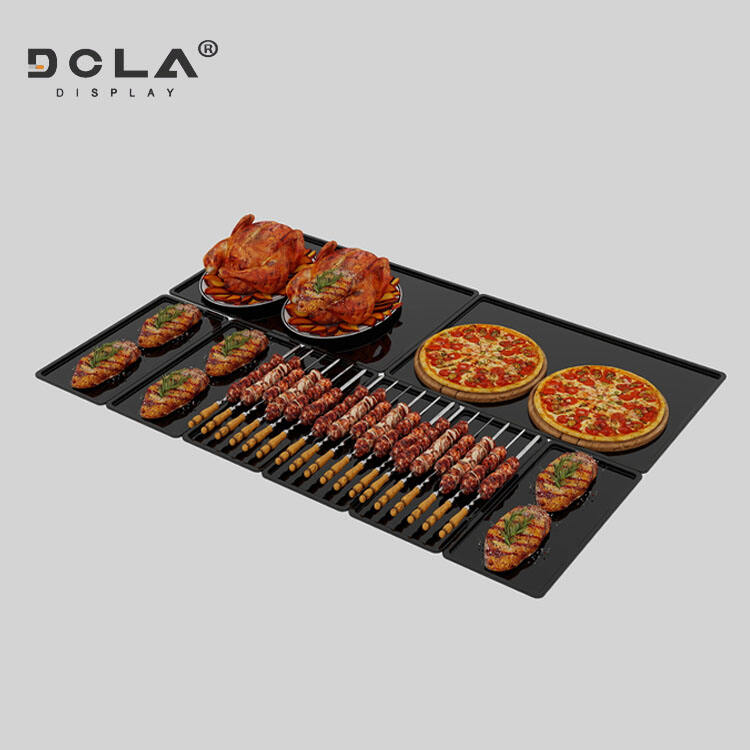
Why Spill-proof Meat Liners Are Critical for Food Safety Compliance
Blocking Cross-Contamination Pathways in Refrigerated Cases
Meat liners that prevent spills act as important barriers inside cold display cases, stopping raw meat juices from getting onto other foods nearby. When regular packaging leaks blood and fluids, it spreads dangerous germs like Salmonella and E. coli throughout different sections of the fridge. The problem gets really serious when pre-made meals sit right under raw meat. Better spill containment solutions stop this contamination before it starts, which aligns with food safety standards called HACCP that focus on controlling risks at their origin point. Stores that switch to approved spill control systems see dramatically cleaner results too. Independent cleaning checks show around 90% less bacteria on surfaces in displays where these systems are used.
FDA and USDA Alignment: How Spill Prevention Supports AIB and Retail Food Protection Standards
Using specially designed meat liners helps prevent spills and meets important regulations like the FDA Food Code section 3-306 and USDA FSIS rules about keeping raw and cooked foods separate physically. Meat processing facilities can also satisfy AIB Standard 10 requirements for controlling allergens and pathogens, plus they comply with NSF standards regarding surfaces that resist bacteria growth and aren't porous. According to findings from the 2022 Retail Food Protection Study, businesses that put proper spill containment measures in place saw their citation rates drop by around two thirds during health department checks. Beyond just following the rules, these liner systems show real dedication to maintaining good food safety practices across operations.
How Meat Liners Spill Prevention Reduces Labor Costs and Sanitation Time
Spill-proof meat liners significantly lower operational costs by streamlining maintenance, protecting staff health, and minimizing disruptions in refrigerated displays.
Quantifiable Efficiency Gains: 40% Faster Daily Cleaning Cycles
These liners keep meat juices and stuff contained so they don't leak onto case surfaces which means no more spending hours scrubbing or waiting around for chemicals to work their magic. According to some industry reports we've seen, when stores actually contain spills properly, they cut down on cleaning time by roughly 40% each day. Staff members aren't stuck doing the same old backbreaking cleanups all morning long anymore. The extra time saved? Employees can actually spend it helping customers find what they need and keeping displays looking fresh without compromising on hygiene standards either way.
Minimizing Downtime and Staff Exposure During Liner Replacement
Quick-change liner designs enable full replacement in seconds—not minutes—reducing display downtime and limiting staff contact with biohazards and harsh cleaning agents. This rapid process lowers occupational exposure risks, supports OSHA-aligned safety practices, and sustains sales continuity without service interruption.
Material Innovation That Delivers Real-World Spill-proof Performance
Hydrophobic Nanocoating vs. Standard Polyethylene: Leakage Resistance Under Acidic Juices and Temperature Swings
The actual spill resistance we see in practice comes down to materials specifically designed for cold storage environments in retail settings. The special hydrophobic coating works at the microscopic level to push liquids away from surfaces, which beats regular polyethylene when put through tough tests. Standard polyethylene starts showing problems after just three days when faced with acidic meat juices that typically range between pH 4.5 and 6.0. These acidic substances actually cause tiny cracks to form in the plastic over time, eventually leading to leaks. But look at what happens with those nano-coated liners instead. They stay strong and intact for well over 500 hours under exactly the same conditions. Instead of soaking up or seeping through, liquid simply forms into beads and rolls right off the surface, making them much better suited for keeping things contained in refrigeration units.
| Performance Factor | Hydrophobic Nanocoating | Standard Polyethylene |
|---|---|---|
| Acidic juice retention | 0% penetration after 30-day exposure | 15% seepage within 7 days |
| Temperature swing response | Consistent flexibility (-5°C to 15°C) | Brittle fracture below 4°C |
| Leak occurrence rate | <1 incident per 10,000 liner-hours | 23 incidents per 10,000 hours |
When it comes to refrigeration stability, these nano surfaces hold their ground through multiple freeze-thaw cycles without developing those annoying contraction gaps or stress points that plague regular liner materials during defrosts. Tests with thermal imaging show pretty consistent material density even when temperatures swing rapidly by about 10 degrees Celsius. And this translates into real world benefits too - lab tests under conditions simulating actual retail environments found nearly a 98 percent drop in leaks compared to traditional options. For anyone concerned about keeping things dry in meat processing areas, this hydrophobic coating stands out as one of the few materials that actually works reliably over time for preventing spills in critical applications.
FAQ
What are spill-proof meat liners?
Spill-proof meat liners are specialized materials used in display cases to prevent the leakage of raw meat juices, thus minimizing cross-contamination risks.
How do spill-proof meat liners support food safety compliance?
These liners align with standards like HACCP, FDA, and USDA regulations by keeping raw and cooked foods separated, which reduces the spread of harmful bacteria.
Do spill-proof meat liners reduce cleaning and sanitation costs?
Yes, they help cut daily cleaning cycles by up to 40%, reducing labor costs and allowing staff more time for customer service and maintenance.
How do hydrophobic nanocoating liners compare with standard polyethylene liners?
Hydrophobic nanocoating liners offer greater resistance to acidic juices and temperature fluctuations, reducing leak incidents and maintaining stability better than standard polyethylene.