
 EN
EN
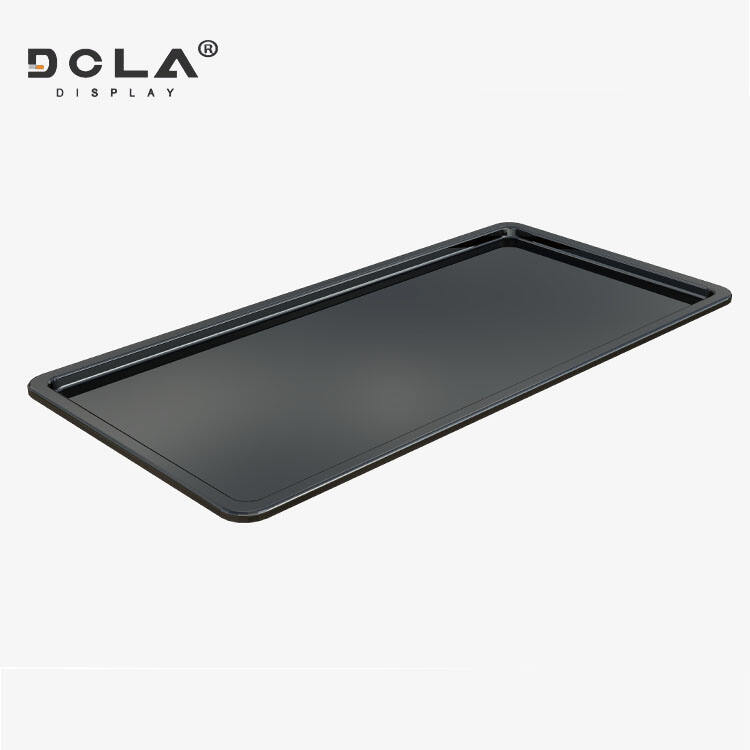
Why Angled Meat Riser Design Improves Line-of-Sight and Front-Facing Visibility
The Visual Bias Toward Elevated, Front-Facing Meat Displays
People tend to notice things that are higher up and facing them straight on, which is why meat displays are often angled upward. According to some research from Nielsen back in 2023, these slanted displays grab about 40 percent more eye contact compared to regular flat setups. The sweet spot for catching attention sits around eye level for most folks, somewhere between 48 and 60 inches off the ground. At this height, products generally get noticed about 78% more often. When stores lift meat cuts above refrigeration units and angle them towards where customers walk past, they're basically playing into how our brains work when looking at stuff. There are several good reasons for this approach too. It cuts down on those annoying blind spots where packaging hides parts of the product. No more craning necks to see what's behind other items either. And during busy times, people find what they want nearly 2.5 times quicker with these angled displays instead of traditional ones.
How Angular Geometry (10–15°) Optimizes Shelf-Level Sightlines and Reduces Visual Obstruction
Getting the angle right matters a lot for display effectiveness. A tilt between 10 and 15 degrees works best for seeing products clearly without crowding too many items together. At this shallow angle, there's less chance of that annoying parallax effect where cuts look out of place when customers glance at them from the side. Plus, everything stays visible even above the coolers. Going much steeper than 20 degrees just invites trouble with things slipping around, creating unstable displays, and wasting valuable floor space. The shape of these angled displays cuts down on glare from lights by about 60% compared to straight up displays. They also fit roughly 15% more product faces along each foot of counter space than flat arrangements do. And no more those dark spots under overhead lights that hide products from view. Real world testing shows these angled meat risers cut down how long shoppers spend searching for what they want by about 8 seconds per person. Combine this setup with regular stock rotation practices and fresh meat stays looking fresh longer. Customers tend to pay more attention to meat that still looks good, which helps maintain those premium price points stores aim for.
How Angled Meat Riser Design Supports Strategic Fresh Meat Presentation
Transitioning from Flat-Stacked to Tiered, Angled Glass Coolers in High-Traffic Zones
The old way of stacking meat in flat displays hides what's at the back, which means customers can't see all the options and might miss out on impulse buys. Stores that switch to those tiered glass coolers with angles around 10 to 15 degrees in busy spots like near the entrance or next to the deli section get better results. All the packages are visible to shoppers right away, so there aren't these annoying dead spots where stuff just disappears. We've seen stores report about a 40 percent boost in customer interaction with products when they make this change from flat arrangements. Putting the nicer cuts higher up where people naturally look keeps them interested without taking away space inside the cooler itself. This setup works wonders for how products look on shelves and makes running the store smoother too.
Synergizing Angled Meat Riser Design with Targeted LED Lighting for Color and Texture Emphasis
When meat is displayed on an angled riser and lit with warm white LEDs around the 3000K to 4000K range, it creates the impression of fresher product. The focused light beams really bring out those nice fat streaks in the meat and make the red color pop, all while keeping reflections off the packaging to a minimum. Some research indicates these lighting setups can actually make colors look up to 30% more vivid, which people tend to associate with better quality meat. Stores that have tried combining angled displays with proper lighting see their sales go up about 18% compared to regular displays without special lighting. This combination turns ordinary coolers into eye-catching showcases where customers notice details like how the meat looks under different angles and catches light in various ways, all factors that influence whether someone decides to buy.
Measuring Impact: Sales Uplift and Perception Metrics from Real Retail Deployments
Case Study: 23% Ground Beef Sales Increase After 15° Angled Meat Riser Implementation (Midwest Grocery Chain, Q3 2023)
One grocery store chain in the Midwest saw ground beef sales jump by almost 25% after putting those special 15 degree angled meat risers into their fresh case displays over four weeks. These angled displays basically put the meat right where people naturally look when they walk past during busy times, cutting down on those annoying visual blocks from shelf edges and the front of the coolers. Store employees noticed folks hanging around the meat counter longer too, about 18% more time spent there. When asked, nearly 9 out of 10 customers said they could see better what makes good quality meat, like the fat marbling and how fresh it looked. The company thinks these changes worked because they made shopping for meat easier on the eyes and hands, which means people stay longer and sometimes grab something extra without planning to.
Balancing Visibility and Freshness: Mitigating Color Fade Through UV-Controlled Lighting and Rotation Protocols
Angled meat risers definitely help customers see the product better, but leaving them out too long can actually cause the color to dull faster. Smart grocery stores handle this problem in two main ways. First they use special LED lights that block most of the harmful UV rays between 400 and 450 nanometers while still keeping colors looking natural. These lights maintain good color rendering index ratings above 90. Second, stores rotate their meat displays every three hours so nothing gets hit by direct light for too long. This combination keeps the meat looking fresh and red for at least six extra hours compared to regular displays. Studies using thermal cameras also found that angled risers create better air circulation around the meat, dropping surface temperatures by about 2 to 3 degrees Celsius over flat displays. When store designers think about both customer convenience and food science principles, they end up creating displays that look great on the shelf without sacrificing meat quality.
FAQ
Why are meat displays angled upward?
Meat displays are often angled upward to improve visibility and attract more customer attention. This design plays into natural human visual tendencies, making displayed products noticeable and minimizing blind spots.
What is the optimal angle for a meat riser display?
The optimal angle for a meat riser display is between 10 and 15 degrees, which allows clear visibility without overcrowding and minimizes visual distortions.
How does lighting affect the perception of meat quality?
Proper lighting, particularly using LED lights in the 3000K to 4000K range, enhances the appearance of the meat, making colors appear more vivid and highlighting desirable characteristics like fat marbling.
Can angled displays impact meat freshness?
While angled displays can improve visibility, exposure to direct light for extended periods can cause color fading. Rotating displays and using UV-controlled lighting can help maintain meat freshness.