
 EN
EN
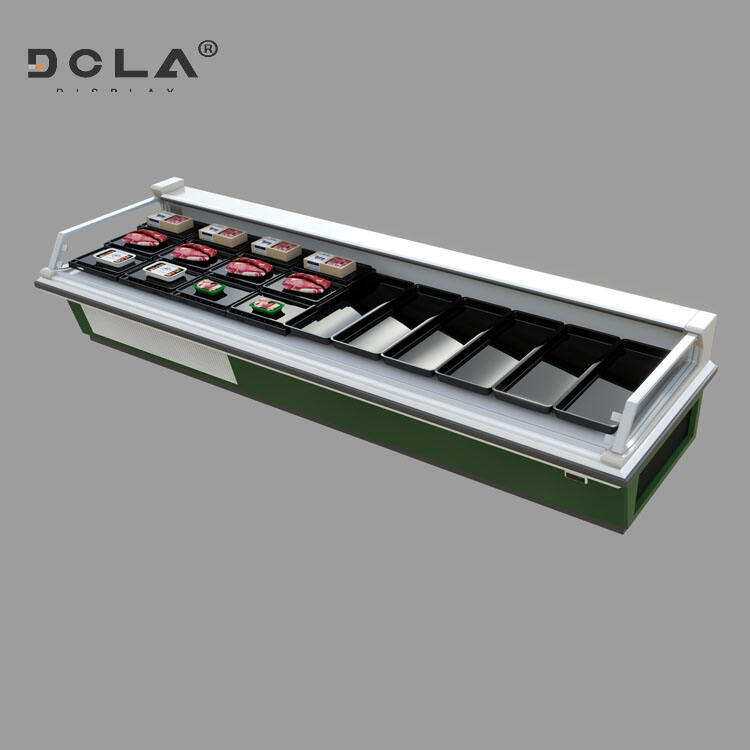
Why Meat Riser Visibility Enhancement Directly Influences Purchase Decisions
The Neuroscience of Visual Capture: Eye-Tracking Evidence for Elevated Display Advantage
Putting meat on display at higher levels really grabs people's attention. According to some retail brain research, items placed around 15 to 20 degrees above where we normally look actually catch our eyes about three times quicker than stuff sitting right at eye level (FMI 2023). Why does this happen? Well, humans have developed a natural tendency to look upwards, something that used to help us spot dangers long ago, but now stores use it to showcase their best cuts of meat. When those prime pieces are lifted up into the area where our eyes pick up colors best, customers notice them about half a second faster. This tiny jumpstart makes all the difference when stores get busy, because shoppers don't get as tired making choices. And guess what? Stores that use these meat risers see their sales go up anywhere from 27 to 30 percent for the highlighted meats.
How Vertical Positioning + Chromatic Contrast Amplifies Sensory Cues (Freshness, Marbling, Texture)
The way we stack products at different heights and carefully choose colors makes ordinary displays come alive with multiple senses. When customers walk toward displays with vertical layers, they notice how the marble patterns and textures stand out more clearly. People really trust these signs of freshness. About two thirds of shoppers connect what they see on the surface with product quality according to recent research from Food Marketing Institute. Studies published in Journal of Food Science show that dark black risers behind meat actually make it look redder by around 18%. White plastic risers help customers remember those fancy USDA Angus labels better, improving recognition rates by roughly 22%. Angled platforms let light hit the products from different angles too, so all those tiny details in the texture become visible that would get hidden if everything was laid flat. All these little tricks work together to tell a story about freshness deep in our brains, making us feel safer about buying without needing any written guarantees.
Meat Riser Visibility Enhancement as a Catalyst for Impulse Buying
Timing & Triggers: Why 68% of Meat Impulse Purchases Happen Within 90 Seconds of Perimeter Entry
Most shoppers decide on their meat pretty fast actually. Studies show around 68% of those last minute buys happen within just 90 seconds after walking into the store. Retailers know this well because our brains process visuals so quickly. That's why they stack those fancy cuts right at eye level where we can't help but notice them. Putting these products there reduces the mental effort needed to make a decision and makes grabbing them almost automatic. When stores arrange things vertically, it creates a sort of shopping roadmap for customers. We tend to look past the regular stuff and get drawn toward those premium options instead. And before we know it, something we didn't plan on buying ends up in our carts.
Trust Acceleration: Embedding USDA Grade Seals and Origin Badges Directly on Riser Faces
Putting USDA grade shields and farm origin labels right on the meat risers instead of hiding them inside packaging makes all the difference for building trust at first glance. These visible certifications answer those nagging questions about food safety and quality even before customers start thinking about them, which means people spend less time weighing their options. Research shows shoppers pick out unfamiliar or pricier cuts about 40-45% more often when they can see the grading information upfront. What this does is turn regular display cases into quiet salespeople that actually work, turning uncertainty into buying confidence without saying a word.
Proven Structural Merchandising Tactics That Maximize Meat Riser Visibility Enhancement
Tiered Risers with LED-Backlit Edges: Kroger Midwest Case Study (27% Deli-Counter Beef Uplift)
When Kroger Midwest Stores tested multi-level display racks with built-in LED lighting around the edges, they saw their visibility jump roughly 40% compared to standard flat displays. The company ran a pilot program installing these energy saving LED strips on the tiered sections of meat cases, which actually made the fat patterns and texture details stand out more clearly. These visual cues matter a lot to people shopping for beef cuts. According to point of sale data collected during the trial period, deli counter beef sales went up about 27% over eight weeks at participating locations. Store managers also noticed something interesting: customers spent about 15% less time scanning through different cuts when looking for premium options during busy hours. This makes sense since the vertical arrangement lets shoppers see multiple products at once without having to move around as much.
Angled Mirrors + Matte-Black Backdrops: Reducing Visual Clutter While Enhancing Portion Perception
When angled acrylic mirrors are placed behind riser displays, they create optical illusions that trick the eye into seeing food portions as about 20 percent bigger than they actually are. No real size changes occur, just a clever perception trick. Combine these mirrors with matte black backgrounds that soak up rather than bounce back ambient lighting, and suddenly products stand out against their surroundings. Store tests found around 31% fewer complaints about crowded cases, which helps shoppers notice those important USDA Choice stamps and see the marbling better. This works really well for vacuum sealed packages too, since regular glass tends to reflect light and hide textures we want to see. Retailers have noticed customers spend more time looking at premium options such as pre-seasoned meats when this display method is used throughout the store.
FAQ Section
Why do stores use meat risers?
Stores use meat risers to elevate products to a height where they naturally capture more attention from customers, leveraging our instinct to look upwards.
How do vertical positioning and chromatic contrast influence buying behavior?
Vertical positioning and chromatic contrast enhance sensory cues like freshness and texture, making meat products appear more attractive and trustworthy, thus influencing purchase decisions.
What makes impulse buying for meat increase within the first 90 seconds?
Impulse buying occurs quickly as stores place premium cuts at eye level, reducing the mental effort needed to make purchasing decisions, leading to spontaneous purchases.
How do angled mirrors and matte-black backdrops enhance meat display?
Angled mirrors and matte-black backdrops minimize visual clutter and enhance the perception of portion size, making products look more appealing and easier to view.