
 EN
EN
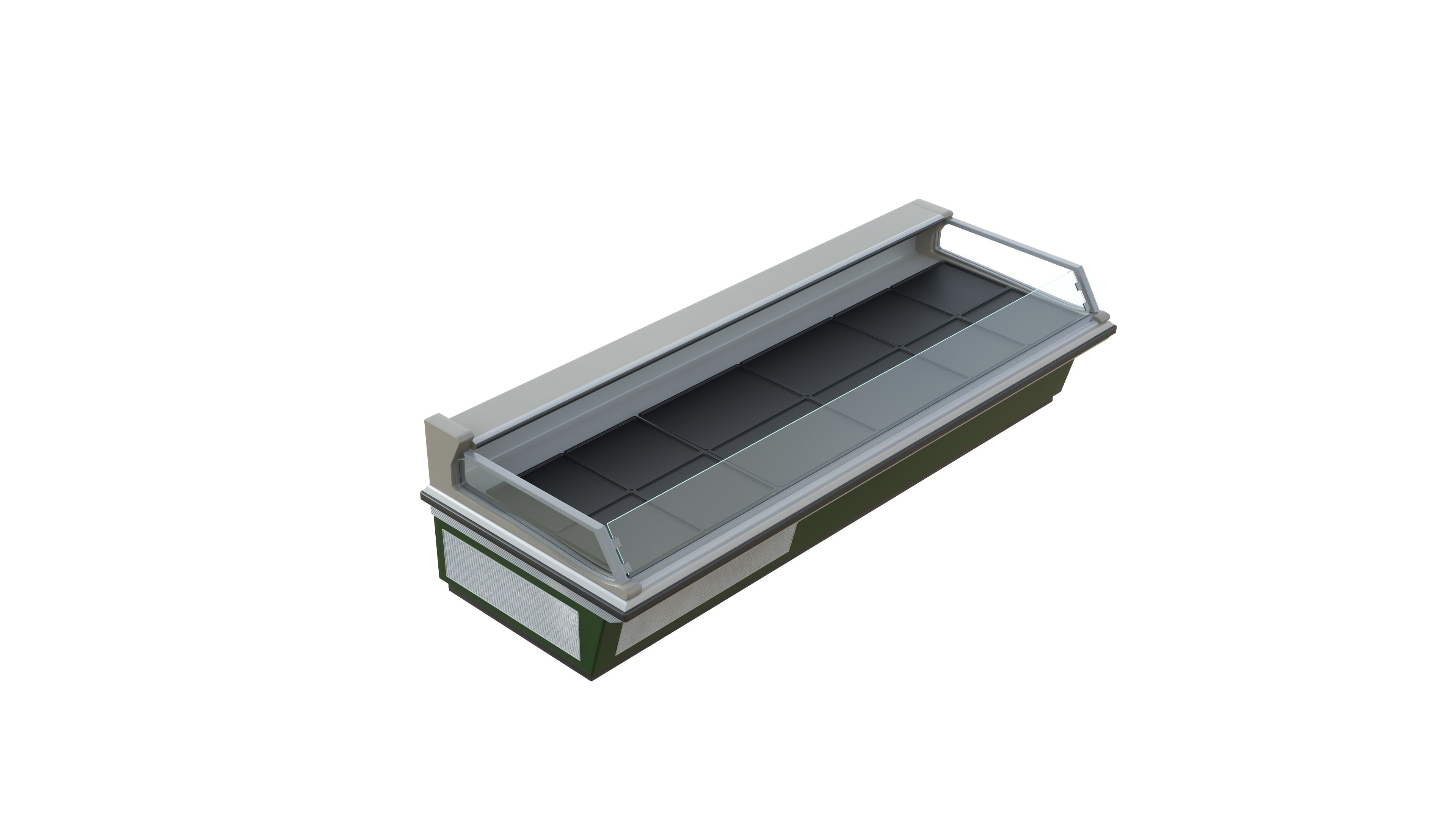
Food Safety Imperatives: Why Meat Liners for Refrigerated Cases Are Non-Negotiable
Microbial Growth Risks in Chilled Retail Environments (0–4°C)
Even when kept at those official fridge temps between 0 and 4 degrees Celsius, meat is still at risk from bad bugs like Listeria monocytogenes. These nasties can actually multiply twice as fast within just 3 to 7 days right in that temperature zone. What happens when stores restock shelves or run their defrost cycles? The temperature swings create little pockets where germs love to hang out and grow. Without something to protect against it, raw meat juice ends up collecting in all sorts of nooks and crannies inside display cases. This creates stubborn biofilms that regular cleaning just doesn't touch. That's why many stores now use special meat liners in their cold cases. These liners offer a smooth, solid surface that stops liquids from soaking in anywhere. And if they're changed out every single day, tests show microbial levels stay under 1 colony forming unit per square centimeter. Pretty important stuff for keeping different products from contaminating each other. Stores that switched to these liners have seen about 34 percent fewer problems showing up during health checks compared to those old fashioned open cases.
FDA Food Code §3-501.12 and USDA FSIS Requirements for Meat Contact Surfaces
According to the FDA Food Code section 3-501.12 plus guidelines from the USDA's Food Safety and Inspection Service, any surface touching raw meat needs to be non-absorbent, smooth, without cracks or crevices, resistant to rust or corrosion, and shouldn't leach harmful substances when cold. Stores that fail to follow these rules face serious consequences like FDA warning letters or FSIS fines that can run anywhere from fifteen thousand to fifty thousand dollars each time they get caught (based on recent food safety audit numbers from 2023). Specialized liners designed for refrigerated display cases actually satisfy all those strict requirements by acting as compliant barriers between the meat products and whatever display surface they're sitting on. These liners turn old, scratched up cases into areas that pass inspection standards without needing expensive replacements. Plus, since they're replaceable and trackable, they make keeping HACCP records much easier for store managers dealing with daily compliance checks.
Material Performance: Engineering Meat Liners for Refrigerated Cases
Polyethylene vs. Polypropylene: Barrier Integrity, Clarity, and Low-Temperature Flexibility
The choice of materials makes all the difference in how well meat packaging keeps products fresh and intact. Take polyethylene (PE) for instance it stays flexible even in cold storage conditions between 0 and 4 degrees Celsius, stretching over 400% before breaking which helps prevent cracks when wrapping around cuts of meat. The material also acts as a decent moisture barrier, cutting down on water loss by roughly 1.2% compared to meat left exposed on display cases. Polypropylene (PP) takes a different approach though. While not as bendy as PE, it blocks oxygen better about 30% improvement over polyethylene which matters a lot for keeping red meats from spoiling too quickly. Plus, PP lets through about 90% of available light, making packaged meat look fresher on store shelves compared to PE's 85% transparency. There's another factor to consider too thermal shrinkage. When cooling down from room temperature to refrigerator temps, PE tends to contract about 2%, whereas PP only shrinks around 1.5%. This might seem small, but those percentage points can mean the difference between a snug fit and a loose package sitting awkwardly in retail displays.
FDA-Compliant Antimicrobial Additives and Surface Coatings
In addition to physical protection, modern meat packaging incorporates special antimicrobial treatments approved by the FDA to stop harmful bacteria from growing. Silver ions mixed into the material along with certain organic coatings can cut down on dangerous germs like Listeria and E. coli by almost all within just one day according to studies referenced in FCN 1813. These protective elements get added during production either through corona treatment processes or by bonding them directly into the plastic layers. Importantly, this doesn't make the packaging stiff or cloudy which is crucial for food products where appearance matters. Testing following ASTM standards shows these features actually keep meats fresh nearly two days longer and significantly lowers the chance of contamination on surfaces. Looking ahead, there's been some exciting developments with natural antimicrobials derived from plants that work just as well throughout their entire lifespan without running into those pesky regulatory hurdles we sometimes see with synthetic alternatives.
Operational ROI: How Meat Liners for Refrigerated Cases Extend Shelf Life and Reduce Labor Costs
Case Study: 23% Longer Display Life and 18% Fewer Restocking Cycles in Tier-2 Grocery Chain
One regional grocery chain with 14 locations decided to try out special meat packaging liners in their cold storage displays. After just half a year, they noticed some pretty impressive changes happening across their stores. The new liners kept meats looking fresh longer on the shelves, cutting down on waste by around 20-25%. At the same time, store staff found themselves needing to restock these displays less often since products stayed good for longer periods. Looking at the bottom line, these two benefits together started adding up to real savings for the company, though the exact numbers varied between different locations depending on local conditions and customer habits.
- Waste reduction: Lower spoilage rates decreased disposal costs by $8,200 monthly
- Labor optimization: Fewer restocking cycles saved 42 staff-hours weekly
- Revenue protection: Extended freshness increased sell-through of premium cuts
The chain's inventory turnover ratio improved by 15%—validating how optimized meat liners transform refrigerated displays from cost centers into profit amplifiers through shelf-life extension and operational streamlining.
Sustainability Evolution: Balancing Compliance, Performance, and Eco-Responsibility in Meat Liners
The meat packaging sector is going through some major changes as it tries to balance strict food safety standards against growing environmental concerns. New bio-based materials made from plant starch are starting to match what traditional plastics can do at cold temperatures, all while cutting down on our reliance on fossil fuels by around two thirds. What makes these alternatives particularly interesting for packagers is their ability to keep those important FDA approved antimicrobial features intact. The latest surface treatments stop dangerous bacteria like Listeria and E. Coli from taking hold without any risk of chemicals leaching into the product itself. This kind of innovation represents a real breakthrough for companies trying to meet both regulatory expectations and consumer demand for greener options.
Operational gains further strengthen the case for sustainable liners:
- Reduced material thickness (down to 25 microns) cuts plastic consumption by 40% annually per supermarket chain
- Compostable formulations divert waste from landfills, aligning with Extended Producer Responsibility (EPR) regulations
- Lightweight designs lower transportation emissions by 18% while maintaining puncture resistance
Manufacturers now leverage blockchain-enabled traceability to verify recycled content claims and lifecycle assessments, meeting both FTC Green Guides and Global Food Safety Initiative standards. This holistic approach transforms sustainability from a marketing checkbox into a performance driver—where eco-responsibility enhances hygiene outcomes rather than compromising them.
FAQ Section
- Why are meat liners important in refrigerated cases? Meat liners in refrigerated cases help prevent microbial growth, reduce biofilms, and provide smooth surfaces that stop liquids from soaking into display cases, ensuring food safety and compliance with health standards.
- What materials are used for meat liners? Polyethylene and polypropylene are commonly used for meat liners because they offer flexibility, barrier integrity, clarity, and low-temperature flexibility, making them effective in preserving meat freshness and appearance.
- How do meat liners impact operational costs in grocery stores? Implementing meat liners can lead to reduced spoilage rates, fewer restocking cycles, and increased sell-through rates, resulting in significant operational savings for grocery stores.
- Are there sustainable options for meat liners? Yes, there are bio-based materials and compostable formulations for meat liners that offer eco-friendly solutions while maintaining necessary food safety compliance and performance.
Table of Contents
- Food Safety Imperatives: Why Meat Liners for Refrigerated Cases Are Non-Negotiable
- Material Performance: Engineering Meat Liners for Refrigerated Cases
- Operational ROI: How Meat Liners for Refrigerated Cases Extend Shelf Life and Reduce Labor Costs
- Sustainability Evolution: Balancing Compliance, Performance, and Eco-Responsibility in Meat Liners