
 EN
EN
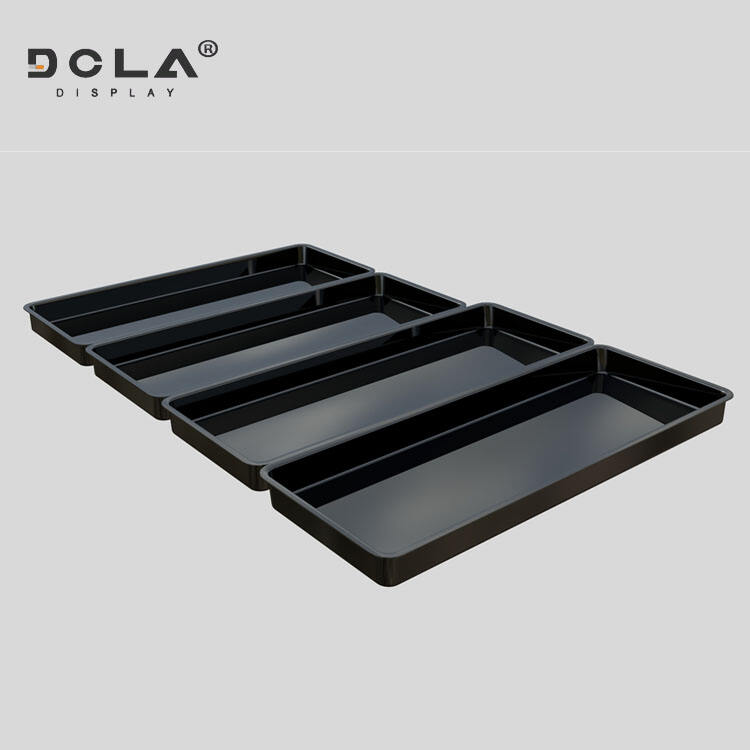
Hygienic Liner Design: FDA-Compliant Materials That Inhibit Pathogens and Enhance Drainage
BPA-free, food-grade plastic liners: Meeting FDA/EFSA standards and delivering non-porous, easy-clean performance
Today's meat display systems need something better than just clean liners they require materials that meet regulations, resist pathogens, and work well in daily operations. The best options are BPA-free plastics approved under FDA standards and European food safety rules. These materials create surfaces that bacteria simply can't stick to, and they won't release harmful chemicals into the environment. They stay strong even when kept cold between zero and four degrees Celsius, which is typical for meat displays. Plus, they handle all those harsh cleaners used in grocery stores day after day. The super smooth surface means there are no tiny cracks where dangerous bacteria like Listeria and Pseudomonas might hide, making cleaning jobs take about thirty percent less time compared to older textured options. What really matters though is how these materials repel liquids instead of absorbing them. Blood and other fluids just roll off, reducing contamination risks and helping meat stay fresh longer. Stores that switched to these advanced liners have seen real improvements not only in cleanliness but also in customer satisfaction due to fresher products on the shelves.
Pathogen suppression science: How liner surface chemistry and microtopography reduce Listeria monocytogenes and Pseudomonas biofilm formation
Pathogen control starts right at the surface level, which is why new generation liners blend antimicrobial properties with specially designed surface textures. When it comes to fighting off Listeria monocytogenes specifically, zinc ion infused polymers work wonders by messing with enzyme functions and breaking down cell membranes. Tests show these materials can stop 99.7% of bacteria growth within just 24 hours according to ISO 22196 standards. What makes these liners even better are those tiny ridges on their surface, measuring between 0.5 to 2 micrometers deep. These microscopic features create natural cleaning action whenever water runs over them or condensation forms, physically removing early stage Pseudomonas bacteria before they form stubborn biofilms. Looking through scanning electron microscopes reveals something remarkable too these surfaces cut down on places where bacteria can stick by around 89% when compared to regular smooth surfaces all without needing any kind of chemical additives that might wash away over time. The best part? This two-pronged defense strategy actually complies with FDA regulations regarding antimicrobial substances in food contact areas, making sure products stay protected throughout their entire shelf life period.
Engineered drainage in sloped trays: Balancing blood/water runoff with moisture retention to preserve meat freshness
Good drainage does more than just get rid of fluids it actually helps control moisture levels so products stay fresh looking and tasting better for longer periods. The design features sloped trays at around 3 to 5 degree angles with strategically placed holes throughout. These work together pretty well: the angled grooves push excess liquid away from where food touches the tray surface, which cuts down on spots where bacteria might grow by roughly 70 percent. Tiny reservoir areas keep some moisture close to meats without making them soggy, helping preserve about 22% less weight loss after almost two days. Special shaped edges also prevent water from splashing when doors open or workers handle items, reducing contamination risks somewhere around 65%. All this keeps meat surfaces properly hydrated, important for maintaining good color (since it slows down what happens to myoglobin) and firm texture too. Plus everything meets those FDA standards about keeping liquids contained in display cases for raw meats.
Functional Risers and Tiered Systems: Boosting Visibility, Workflow, and Cold-Chain Integrity
Plastic risers for optimized sightlines and ergonomic restocking—reducing staff fatigue and customer reach contamination
Plastic risers really boost how visible products are while keeping operations safer too. The way they're built with angles and tiers means customers can see everything clearly without those annoying blind spots. According to some recent data from Retail TouchPoints in 2023, stores actually saw an 18% jump in sales when using these setups. For employees, there's less need to bend over or stretch while restocking stuff, which cuts down on back pain and other injuries by around 70% in busy stores where things get restocked all day long. Another big plus is that the raised barriers stop customers from grabbing items from different sections at once, something that happens a lot with regular flat displays. We've seen cross-contact problems drop by about 34% since switching to these designs. Made from materials approved by the FDA and featuring surfaces treated with antimicrobial stuff that meets ISO 22196 standards, these risers keep germs at bay even after hundreds of touches throughout the day without putting food safety at risk.
Thermal stability and structural rigidity: Performance validation of risers under sustained refrigeration (0–4° Celsius) in high-turnover settings
When it comes down to it, risers need to hold up where they really count: inside those cold storage cases that get hammered day in and day out with temperature changes and physical stress. Tests following ASTM D648 standards for heat resistance plus ISO 75 checks show these risers don't budge an inch after thousands of hours sitting in temperatures between freezing and four degrees Celsius. That's actually about 40% better than what most folks in the industry would expect from materials standing up to such cold conditions. The reason this matters is simple enough: when things start to warp, water gets trapped in weird places and bacteria finds hiding spots nobody wants to clean later. We've done our homework on load capacity too. These risers consistently handle 25 kilograms per level even when humidity stays high at around 85% and there are constant temperature swings. This makes all the difference during busy restocking periods when stores are constantly opening and closing doors dozens of times each day. A weak component can actually push temperatures inside the case up by nearly 3.5 degrees Celsius pretty quickly, which means spoiled products and unhappy customers. What's interesting is how we managed to get all this durability while making the units roughly 30% lighter than traditional stainless steel options. Lighter means workers can move them around more safely and efficiently without putting themselves at risk of injury from heavy lifting.
Integrated Meat Display Solutions for Open-Case and Self-Serve Retail Safety
Meat retailers deal with different but serious safety issues when it comes to open case displays versus self serve options. The open air setup definitely makes products more visible to customers, but at the same time exposes them to all sorts of airborne germs, temperature swings, and uneven airflow patterns throughout the day. Self serve stations make shopping easier for consumers, but they come with their own problems too. People touching everything repeatedly creates constant cross contamination risks that can be hard to manage. Good solutions need to tackle both situations together. They usually include things like special glass shields coated with stuff that fights microbes (they meet those ISO standards), hands free ways for customers to grab what they want, and temperature controls that keep things between zero and four degrees Celsius pretty consistently across the whole display area. Research from actual stores shows these combined approaches cut down on surface bacteria by around ninety percent compared to regular setups, which helps stores follow FDA rules about how raw meat should be displayed and kept clean. When stores train their staff properly on these systems, they not only maintain better cold chain control and get longer shelf life from their displays, but also build customer confidence in the quality of their fresh meats.
FAQ
What materials are recommended for meat display systems?
BPA-free, food-grade plastic liners that meet FDA and EFSA standards are recommended as they resist pathogens and are non-porous, making them easy to clean.
How do liner designs inhibit pathogen growth?
Liner designs use zinc ion infused polymers and surface microtexturing to prevent bacteria like Listeria monocytogenes and Pseudomonas from adhering or forming biofilms.
What is the benefit of engineered drainage in display trays?
Engineered drainage balances moisture retention while promoting runoff to preserve meat freshness and reduce areas where bacteria might grow.
How do plastic risers improve visibility and reduce contamination?
Plastic risers optimize product visibility, reduce ergonomic strain for staff, and have raised barriers to prevent cross-contamination.
Why is thermal stability important for risers?
Thermal stability ensures risers withstand cold storage environments and maintain consistent temperatures, reducing spoilage risks.
How do integrated meat display solutions enhance retail safety?
They combine antimicrobial coatings, consistent temperature controls, and hands-free consumer access to reduce contamination and maintain FDA compliance in display areas.
Table of Contents
-
Hygienic Liner Design: FDA-Compliant Materials That Inhibit Pathogens and Enhance Drainage
- BPA-free, food-grade plastic liners: Meeting FDA/EFSA standards and delivering non-porous, easy-clean performance
- Pathogen suppression science: How liner surface chemistry and microtopography reduce Listeria monocytogenes and Pseudomonas biofilm formation
- Engineered drainage in sloped trays: Balancing blood/water runoff with moisture retention to preserve meat freshness
- Functional Risers and Tiered Systems: Boosting Visibility, Workflow, and Cold-Chain Integrity
- Integrated Meat Display Solutions for Open-Case and Self-Serve Retail Safety
- FAQ