
 EN
EN
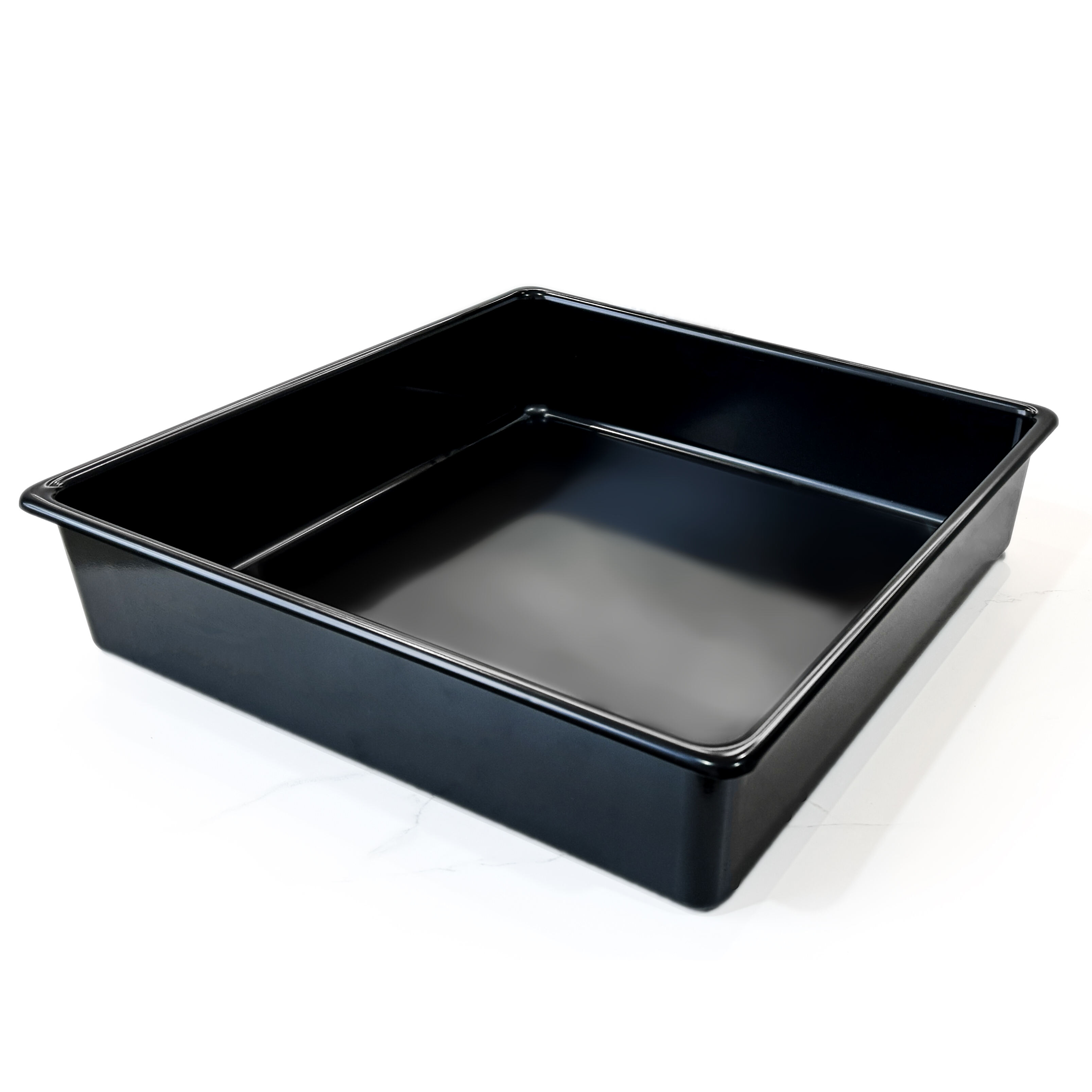
Why Pork Trays Matter in Commercial Food Packaging
Pork trays serve as foundational components in food distribution, directly impacting product safety, shelf life, and operational efficiency. Fresh pork’s high perishability demands packaging that prevents leakage and contamination—industry studies show meat spoilage contributes to approximately $1.2 billion in annual food waste (Food Safety Consortium, 2023). Quality pork trays address this through rigid structural support that withstands transport stresses while maintaining product integrity during cold chain handling. Their leak-resistant design contains fluids effectively, minimizing bacterial growth risks and cross-contamination.
Beyond preservation, pork trays influence consumer perception through transparent visibility of contents, enhancing retail appeal. Supply chain analytics indicate that optimized tray designs can reduce handling damage by up to 40%, lowering replacement costs and waste. For commercial operators, this translates to maintained brand reputation through consistent product quality and compliance with FDA food contact requirements—a critical factor when 84% of consumers report abandoning brands after food safety incidents (Global Food Safety Report, 2024).
Advanced materials now enable sustainability integration, with recyclable and compostable options reducing environmental impact without compromising protective functionality. Stackable tray designs further optimize warehouse and transportation efficiency—demonstrating how intentional packaging selection drives both profitability and food safety outcomes across the supply chain.
The following table summarizes pork trays’ commercial impact:
| Packaging Function | Operational Benefit | Consumer Impact |
|---|---|---|
| Leak Resistance | 30% reduction in cross-contamination incidents | Higher confidence in product safety |
| Structural Integrity | 25% decrease in damaged goods claims | Visual appeal and freshness perception |
| Material Compliance | Full adherence to FDA Title 21 standards | Trust in brand reliability |
| Cold Chain Stability | Consistent temperature maintenance | Extended shelf life at point of sale |
Key Features to Evaluate in Pork Trays
Selecting optimized pork trays requires evaluating three critical performance areas: food safety integrity, containment reliability, and logistical efficiency.
Material Safety and FDA Compliance
Prioritize trays meeting FDA 21 CFR or equivalent food-grade standards. Materials like PET, PP, and CPET dominate the market—each offering distinct advantages:
| Material | Safety Attributes | Temperature Tolerance | Sustainability Profile |
|---|---|---|---|
| PET/RPET | Non-leaching, clarity for inspection | -40°C to 70°C | Widely recyclable |
| PP | Chemical-resistant, lightweight | -20°C to 120°C | Recyclable (type 5) |
| PLA | Biodegradable under industrial composting conditions | Limited to 50°C | Industrial composting |
A 2023 Food Safety Journal study confirmed non-porous surfaces reduce bacterial colonization by 87% compared to textured alternatives. Always verify supplier certifications through third-party documentation.
Leak Resistance and Moisture Management
Pork trays must contain purge (blood and moisture) throughout distribution. Key engineering elements include:
- Sealing compatibility: Tray designs allowing hermetic seal adhesion reduce leakage incidents by 63%
- Moisture-wicking channels: Built-in reservoirs separate fluids from product, preserving appearance
- Anti-fog films: Maintain visibility in refrigerated displays, reducing packaging waste from unnecessary handling
Stackability and Cold Chain Compatibility
Optimized pork trays support vertical stacking without deformation at -18°C. Critical metrics include:
- Wall thickness: ≥0.6mm prevents cracking during frozen storage
- Interlocking rims: Enable secure palletization, reducing transport damage by 41%
- Thermal shock resistance: Tested performance across >40°C temperature differentials ensures tray integrity during transfer between environments
Manufacturers validating ISTA protocol compliance demonstrate reliable cold-chain performance, minimizing product loss during multi-modal shipping.
Types of Pork Trays: Clamshell, Tray-and-Lid, and Vacuum-Ready Options
Selecting the right packaging format is critical for optimizing pork’s shelf life and presentation. Pork trays primarily fall into three categories:
- Clamshell containers feature a snap closure and are typically made of PET or PP. Their rigid structure protects against crushing during transit.
- Tray-and-lid systems use lidding film sealed over a base tray, enhancing visual appeal for retail and reducing purge loss by up to 15% compared to open trays.
- Vacuum-ready options employ Vacuum Skin Packaging (VSP) technology, where film conforms tightly to the product. VSP extends freshness by reducing oxygen transmission rates to near-zero levels and is ideal for premium cuts.
| Type | Key Advantage | Material Options |
|---|---|---|
| Clamshell | Impact resistance | PET, PP |
| Tray-and-Lid | Visual product display | PET, PS |
| Vacuum-Ready (VSP) | Extended shelf life | Barrier films |
Material choice directly influences performance: PET offers clarity for product visibility, while PP provides superior cold-chain durability below -20°C. Leading processors prioritize VSP for export shipments due to its 40% longer shelf life over conventional trays.
How to Source Reliable Pork Trays for B2B Operations
Certifications, MOQs, and Customization Support
Prioritize suppliers with FDA-compliant material certifications (e.g., food-grade PET or rPET) to ensure pork tray safety. Verify minimum order quantities (MOQs) align with your distribution volume—typically 5,000–10,000 units for bulk orders. Seek manufacturers offering tray customization like embossed branding, size variations, or anti-slip bases. Establish service-level agreements (SLAs) for defect rates (≤0.5%) and lead times to prevent supply chain disruptions.
Sustainability Considerations: Recyclable and Compostable Pork Trays
Opt for recyclable mono-material trays (e.g., #1 PET) accepted in curbside programs, reducing landfill waste. For compostability, demand BPI or TÜV-certified plant-based PLA trays that decompose in 12 weeks industrially. Balance eco-goals with performance: compostable options may carry higher costs (+15–20%) and stricter temperature limits. Track suppliers’ LCA (Life Cycle Assessment) reports to validate emissions claims.
FAQ
What are the main benefits of using pork trays in commercial food packaging?
Pork trays enhance food safety, extend shelf life, ensure operational efficiency, and influence consumer perception through transparency. They offer leak resistance, structural support, and compliance with FDA standards.
What materials are commonly used for pork trays, and what are their advantages?
Common materials include PET, PP, and PLA. PET offers clarity and recyclability, PP provides chemical resistance and lightweight properties, while PLA is biodegradable under industrial composting conditions.
How can pork trays improve the cold chain logistics?
Optimized pork trays support vertical stacking without deformation at low temperatures. Features like wall thickness and interlocking rims reduce transport damage, while thermal shock resistance ensures integrity during transfers.
What should be considered when sourcing pork trays for B2B operations?
Consider certifications like FDA compliance, minimum order quantities, customization options, and sustainability factors. Establish clear service-level agreements with suppliers to prevent disruptions.
Are there sustainable options for pork trays?
Yes, there are recyclable mono-material trays (PET) and compostable trays (PLA). Each has varying costs and performance factors, so balance eco-goals with operational needs.
Table of Contents
- Why Pork Trays Matter in Commercial Food Packaging
- Key Features to Evaluate in Pork Trays
- Types of Pork Trays: Clamshell, Tray-and-Lid, and Vacuum-Ready Options
- How to Source Reliable Pork Trays for B2B Operations
-
FAQ
- What are the main benefits of using pork trays in commercial food packaging?
- What materials are commonly used for pork trays, and what are their advantages?
- How can pork trays improve the cold chain logistics?
- What should be considered when sourcing pork trays for B2B operations?
- Are there sustainable options for pork trays?