
 EN
EN
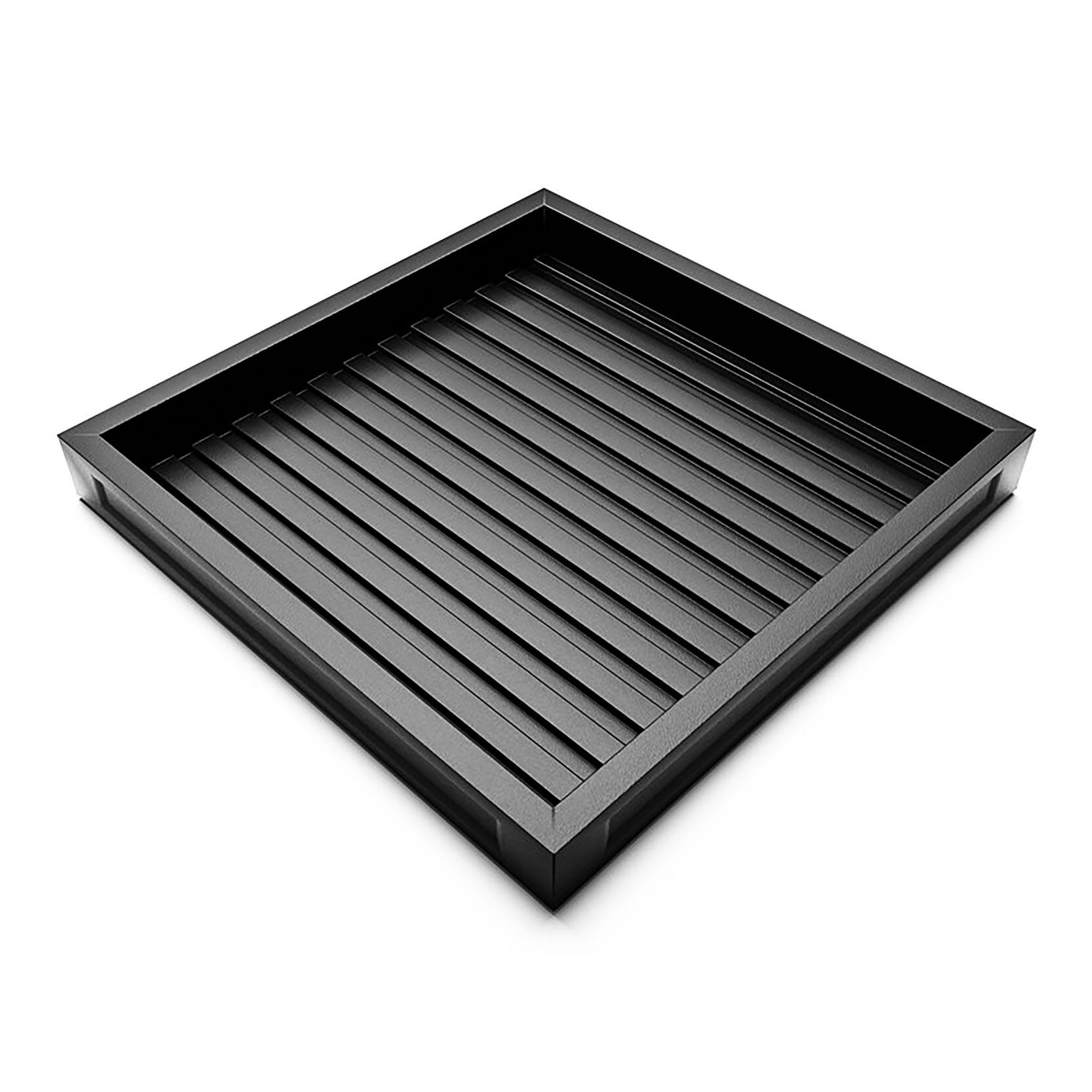
Why Top Trays Are Essential for Modern Equipment Aesthetics
The Rise of Surface-Centric Design in Tech-Adjacent Interiors
Contemporary interiors increasingly blend technology with living spaces—elevating surfaces as primary design elements that serve both functional utility and visual harmony. Research indicates 72% of designers prioritize surface integration when planning tech-heavy environments (Interior Design Journal, 2023). Clutter disrupts aesthetics and mental focus, while a strategically placed top tray creates designated zones for devices and accessories, reducing visual noise by up to 40% according to spatial efficiency studies. The tray’s material—whether matte ceramic or textured wood—becomes a deliberate style choice, anchoring floating objects while complementing surrounding finishes. Surface-centric design acknowledges our tactile relationship with objects: a top tray transforms utilitarian necessity into curated expression.
How Top Trays Bridge Function and Visual Hierarchy
Top trays excel at merging practicality with core design principles—establishing clear visual hierarchies through containment. Grouping related items creates intentional focal points that guide the eye through complex setups effortlessly. Functionally, trays protect surfaces from scratches and spills while enabling quick access to frequently used tools. Their strategic placement signals importance: displayed items gain subconscious prominence, simplifying transitions between professional and personal modes. Maintenance becomes effortless—entire sections lift for cleaning—and modular designs adapt seamlessly to evolving tech ecosystems without requiring full redesign.
| Function Aspect | Design Impact |
|---|---|
| Containment | Creates clean negative space around objects |
| Elevation | Adds dimensional layers to flat surfaces |
| Material Consistency | Unifies diverse items through shared texture |
Ultimately, top trays turn functional organization into visual storytelling—scalable across minimalist and maximalist aesthetics alike.
Material, Texture, and Contrast Strategies for Premium Top Trays
Tactile Cognition: Why Texture Elevates Perceived Value
The human brain associates textured surfaces with craftsmanship and quality—directly influencing perceived value in premium top trays. Sensory research shows products with tactile variations are rated 30% higher in perceived quality than smooth alternatives (Journal of Consumer Psychology, 2023). This response stems from how texture engages multiple senses: hand-sanded wood grains convey artisanal attention; woven patterns create micro-shadows that enhance depth perception; brushed metal finishes suggest durability through subtle friction cues. In business environments, textured top trays transform functional equipment into tactile statements—office accessories with tactile surfaces increased perceived brand prestige by 27% (Workplace Aesthetics Report, 2024), making texture a silent ambassador for corporate identity.
Layered Contrast Techniques: Matte vs. Gloss, Warm vs. Cool, Organic vs. Geometric
Strategic material contrasts create visual hierarchy in top tray design. Successful combinations balance three dimensions:
| Technique Pairing | Visual Effect | Ideal Application |
|---|---|---|
| Matte vs. Gloss | Depth through light absorption/reflection | Tech product displays |
| Warm vs. Cool Tones | Emotional resonance (inviting vs. efficient) | Healthcare/creative hybrid spaces |
| Organic vs. Geometric | Dynamic tension (nature-inspired curves vs. precision) | Multi-device workstation zones |
A matte walnut tray framing glossy devices minimizes screen glare while projecting sophistication; warm bamboo borders against cool steel trays establish calming contrast in high-stress environments. These techniques leverage the brain’s innate response to visual tension—organically shaped trays with geometric device layouts improve information processing speed by 19% (Cognitive Design Study, 2024). The most effective top trays employ at least two contrast layers without overwhelming the eye.
Top Tray Integration Across Lifestyle and Professional Contexts
'Desk-as-Altar': Curating Identity Through Intentional Top Tray Use
Modern workspaces function as personal sanctuaries where top trays transform surfaces into curated identity displays. Professionals strategically arrange objects—from minimalist desk tools to meaningful artifacts—to create visual autobiographies that reinforce personal branding. This intentional approach leverages cognitive psychology: organized displays reduce mental clutter by 37% (Journal of Environmental Psychology, 2023). The tray creates containment boundaries that signal purpose—whether showcasing heritage through crafted objects or projecting innovation with tech-integrated accessories. This ritualistic arrangement follows principles similar to Japanese tsukubai design, where spatial limitations enhance appreciation of contained items.
Modular Top Tray Systems for Multi-Device Zones (Laptop, Tablet, Audio Gear)
Contemporary workstations demand adaptable organization systems as users manage an average of 3.2 devices simultaneously (Digital Workspace Trends, 2024). Modular top trays address this through:
| Feature | Lifestyle Application | Professional Benefit |
|---|---|---|
| Adjustable Dividers | Customizable coffee stations | Dedicated tablet/document zones |
| Mixed Material Bases | Harmonizes with home decor | Sound-dampens audio equipment |
| Tiered Levels | Displays collectibles | Elevates critical devices for visibility |
Precision engineering maintains seamless cable routing through integrated channels, while non-slip surfaces prevent device migration during active use. Configurations accommodate dual-monitor setups or dedicated audio suites—all maintaining visual cohesion through geometric alignment.
Selecting the Right Top Tray: Practical Criteria for B2B Buyers
Choosing a top tray that balances aesthetics with functionality requires evaluating several key factors. Start by assessing dimensions and load capacity—ensure the tray fits equipment surfaces while supporting intended devices like tablets or audio gear (≥40 kg capacity handles most professional setups). Prioritize material durability: aluminum offers lightweight resilience against daily wear, while wood composites provide organic warmth but require protective sealing. Evaluate finish compatibility with existing equipment—a matte-textured tray reduces glare in brightly lit offices, whereas glossy finishes enhance premium visual hierarchies.
For brand integration, explore customization depth, including embossed logos or color-matched anodizing. Factor in modularity when planning multi-device zones; trays with removable dividers adapt to evolving tech stacks without replacements. Most importantly, conduct prototype testing with end-users to verify ergonomic access—front-line staff feedback identifies 78% of usability issues before final procurement (Human-Centered Design Studies).
Budget allocation should reflect lifecycle value: commercial-grade trays with reinforced edges demonstrate 30% longer service life in high-traffic environments despite higher initial investment. Avoid over-engineering for niche applications; instead, match specifications to actual daily-use scenarios like conference rooms or reception desks.
FAQ
What are top trays?
Top trays are functional design elements used to organize and contain smaller items on flat surfaces, such as desks or tables, while enhancing visual aesthetics.
What materials are commonly used for premium top trays?
Premium top trays are often made from materials such as wood, metal, ceramic, or a combination. Each material offers varied durability, texture, and aesthetic qualities.
How do top trays benefit workspaces?
Top trays reduce visual clutter, protect surfaces, and create designated zones for devices and tools, ultimately improving organization and operating efficiency in professional spaces.
What should businesses consider when purchasing top trays?
Businesses should evaluate dimensions, load capacity, material durability, finish compatibility, modularity, and customization when selecting top trays that match both functionality and aesthetic needs.
Can top trays be customized?
Yes, top trays can often be customized with features such as specific sizes, embossed logos, modular dividers, or color-matched finishes to align with brand identity and personal preferences.