
 EN
EN
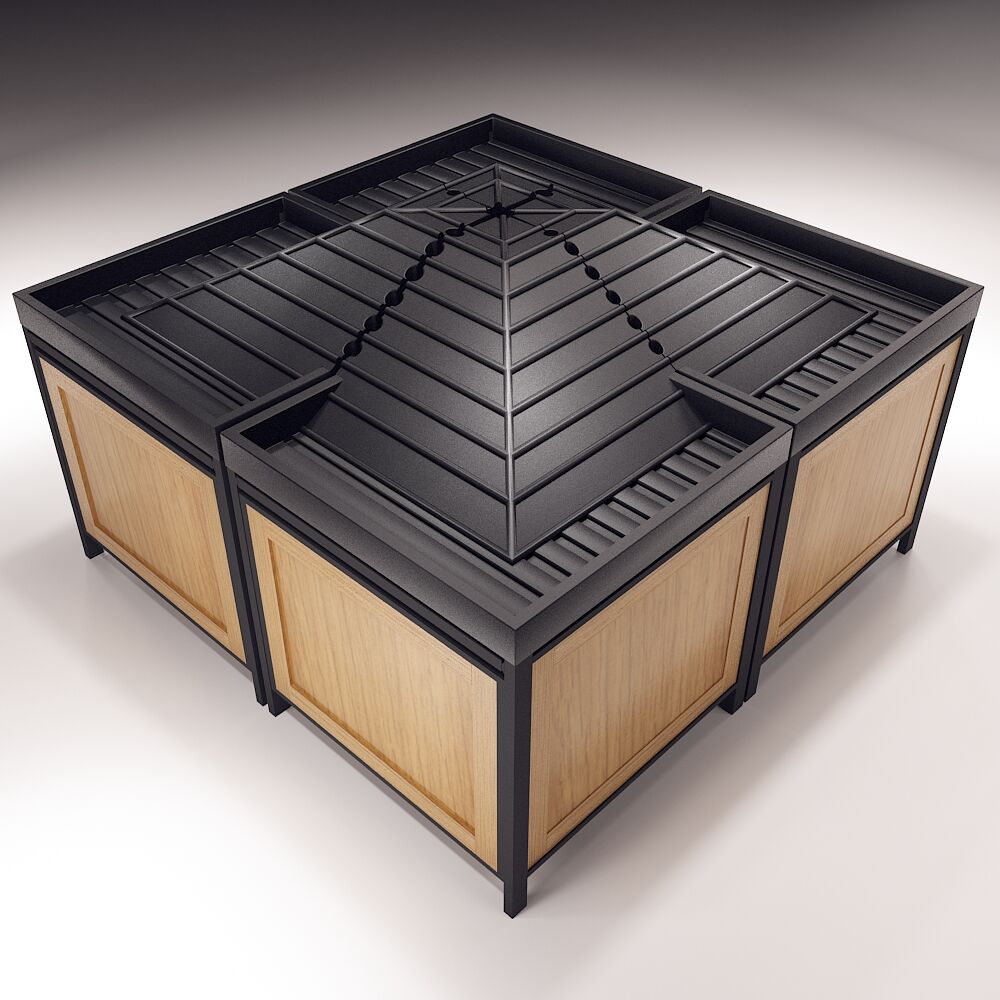
Maximizing Space Efficiency with Stackable Produce Trays
How stackable produce trays optimize vertical storage space
Stackable produce trays revolutionize warehouse and retail storage by utilizing vertical space that traditional flat systems leave unused. Unlike single-layer layouts, these trays support stable stacking up to 8–10 feet high, reducing floor footprint by 60% according to 2023 supply chain analyses.
Comparison with traditional flat storage: Why stackable trays outperform
Traditional flat storage wastes 35–45% of available vertical space in standard 14-foot warehouses. Stackable trays eliminate this inefficiency with interlocking designs that maintain stability at heights unattainable for loose produce piles. Grocery distributors report 22% faster inventory rotation due to improved accessibility.
Proven gains: Up to 40% more produce stored per square foot
Operational studies show stackable trays increase storage density by 38–40% for apples, leafy greens, and stone fruits compared to flat containers. This efficiency is especially valuable in urban grocery hubs where warehouse costs reach $140/sqft annually (Logistics Today 2023), making smaller footprints a financial imperative.
Design features that enhance space utilization in produce tray systems
| Feature | Space Efficiency Benefit | Produce Type Optimized |
|---|---|---|
| Tapered walls | Enables secure 10-tall stacks | Apples, citrus |
| Ventilated bases | Allows vertical airflow in tight stacks | Berries, mushrooms |
| Corner reinforcements | Prevents tower collapse | Root vegetables |
These engineered solutions maximize cubic storage without compromising freshness during extended storage periods.
Innovative Materials and Structural Design in Produce Trays
Lightweight, durable materials like polypropylene for long-term use
Modern produce trays increasingly use polypropylene, a polymer offering 3–5 times the lifespan of PVC while weighing 35–40% less (Packaging Digest 2023). Its moisture resistance prevents warping in humid environments, and chemical stability ensures compliance with FDA food contact standards. With recyclability rates exceeding 92%, single-material polypropylene supports circular economy goals across the supply chain.
Ventilation and strength balance in stackable produce tray construction
Top-tier tray designs feature laser-cut ventilation patterns that deliver 28–32 CFM airflow while supporting 80 lb static loads—critical for preserving delicate items like berries and leafy greens. A 2023 cold chain study found optimized vent-to-surface ratios reduce condensation-related spoilage by 18% versus non-ventilated containers. Reinforced corner geometries distribute stacking forces evenly, enabling stable 8-foot columns in warehouse settings.
Case Study: Polypropylene tray adoption in supermarket cold chains
A regional grocery chain saw 37% fewer produce losses within six months of deploying polypropylene trays across 12 refrigeration facilities. Standardized, stackable designs reduced cold storage space needs by 19% and cut cross-contamination risks by 42% through improved washability (Perishable Goods Logistics Report 2024). Annual maintenance costs dropped 28% due to the trays’ resilience across temperature ranges from -5°F to 110°F.
Improving Operational Efficiency Across the Supply Chain
Standardized Produce Tray Sizes Streamline Inventory Management
Uniform dimensions in stackable trays eliminate compatibility issues during storage and transit. Warehouses using standardized systems reduce counting errors by 25% and cut planning time by 40% compared to mixed-container setups (2024 cold chain logistics data). Consistent sizing also enhances automated inventory tracking accuracy, minimizing overordering.
Reducing Handling Time by 30% in Distribution and Retail Environments
The new interlocking tray system lets warehouse staff handle 48 items on each pallet jack run instead of just 32 with old style crates. Loading times have dropped from around 8 minutes down to about 5 minutes and 40 seconds per pallet. Store managers across the country are seeing big improvements too. One major retailer saw their restocking time cut nearly in half when they switched to these stackable containers. That translates to roughly $18k saved every year at stores located in busy city areas. The design actually solves some common slowdowns we've noticed in our warehouses. Those tapered sides make stacking easier while the extra reinforcement at the corners holds up better during transport between regional hubs.
Sustainability Advantages of Reusable Produce Tray Systems
Cutting Single-Use Packaging Waste with Durable Stackable Produce Trays
The food industry creates around 14 million tons of plastic packaging waste every year, mostly from single use materials throughout supply chains. When stores switch from throwaway cardboard and plastic liners to those sturdy polypropylene trays that can last through over 500 trips back and forth, they save money on constant disposal fees while cutting down on materials needed by almost 92% per delivery, according to research from the Sustainable Packaging Coalition in 2023. Plus these trays work well with standard commercial cleaning systems so food stays safe even after multiple rounds of use without any loss in quality.
Lifecycle Impact: Over 500 Uses Per Tray Significantly Reduces Carbon Footprint
Independent lifecycle analyses show reusable tray systems achieve carbon neutrality within 18 months. A single tray reused 500 times generates 87% fewer emissions than disposable alternatives, with break-even occurring after just 23 cycles. This model supports EU Circular Economy Package targets to halve municipal packaging waste by 2030.
Balancing Higher Initial Costs with Long-Term Environmental and Economic Savings
Although reusable trays require a 40–60% higher initial investment, savings accumulate quickly:
- $0.12 per tray in waste processing fees eliminated
- 15% labor reduction from eliminating unpacking and box-breaking
- 28% lower replacement costs after year one
Midwest grocery cooperatives report achieving ROI within 18 months through combined waste reduction and handling efficiencies.
Future Trends Driving Adoption of Stackable Produce Trays
Smart Produce Trays With RFID Tracking for Real-Time Inventory Control
RFID-equipped stackable trays are enhancing supply chain visibility by enabling automated monitoring of stock levels and expiration dates. This technology reduces manual inventory checks by up to 60% (Food Logistics 2023) and helps minimize spoilage-related losses during transit.
Rising Demand in Urban Grocery Fulfillment Centers and Last-Mile Logistics
Urban markets are prioritizing vertical storage to overcome limited warehouse space. Modular stackable tray systems now represent 35% of new installations in metro-area distribution hubs, streamlining order assembly for same-day delivery services.
Market Outlook: 12% CAGR Projected for Stackable Produce Trays Through 2030
Analysts project steady growth driven by stricter retailer sustainability mandates, advances in recyclable materials, and the rise of automated cold storage. The Asia-Pacific region is expected to lead adoption, fueled by urbanization rates exceeding 70% in major cities.
FAQ
What are stackable produce trays?
Stackable produce trays are designed to utilize vertical storage space efficiently, allowing for stable stacking in warehouse and retail environments.
How do stackable trays compare to traditional flat storage?
Unlike flat storage, stackable trays eliminate vertical space wastage by supporting stable, tall stacks due to their interlocking designs.
What materials are stackable trays made of?
They are typically made from polypropylene, which is lightweight, durable, and recyclable, making them suitable for long-term use.
What are the sustainability advantages of stackable trays?
They significantly reduce single-use packaging waste and have a low carbon footprint over their lifecycle, becoming carbon neutral after 18 months of use.
Are stackable trays cost-effective?
Yes, despite a higher initial cost, they offer long-term economic savings and quick ROI due to reduced waste processing fees and lower replacement costs.