
 EN
EN
Why Juice Spills Undermine Fresh Meat Retail Performance
Fresh meat packaging that leaks juice creates serious problems for both food safety and how stores operate day to day. When blood and other fluids escape from regular containers, they spread around bacteria like Salmonella and E. coli all over display cases and where food gets prepared. Retailers end up spending extra money on things like cleaning displays every hour, closing shelves temporarily, and throwing away stuff that's been contaminated. According to USDA reports, about half of all meat-related violations at stores come down to messiness caused by leaks, which can lead to fines. The spilled juices actually speed up meat going bad because they let air touch the surface, cutting shelf life short by almost two days sometimes. Stores lose valuable time too since employees spend anywhere from 15 to 30 minutes each shift cleaning up messes instead of doing other work. And when products get tossed out due to contamination, it costs roughly $740 per year for each linear foot of display space according to EPA data from 2021. That's why specialized butcher trays designed specifically for containing fluids have become so important lately.
Core Leak-Proof Design Features of Modern Butcher Trays
Raised Perimeter Walls and Integrated Fluid-Channeling Grooves
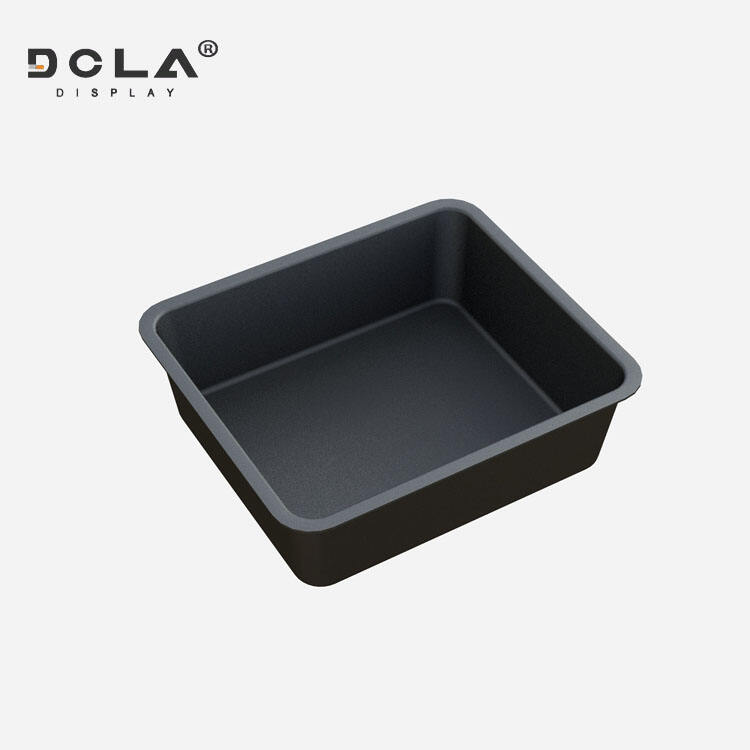
Butcher trays today are designed to stop juice spills with clever structural changes. Most have raised edges around 15 to 25 mm tall that act as barriers against meat juices spilling out. Many also feature special grooves arranged in either radial patterns or grids that guide liquid towards the middle of the tray. According to recent food safety reports from 2024, these designs cut down on contamination risks by about one third compared to older models. The walls help control those unexpected bursts when meat thaws, while the grooves take care of the slower dripping that happens over time. Together they work pretty well to keep things contained right where the problem starts.
Material Selection: Molded Fiber vs. Thermoformed PET for Moisture Integrity
Material choice critically impacts leak resistance and functional longevity:
| Property | Molded Fiber | Thermoformed PET |
|---|---|---|
| Moisture Barrier | Moderate (requires coating) | Superior (inherently waterproof) |
| Weight Capacity | Up to 3kg | Up to 5kg |
| Eco-Footprint | Biodegradable | Recyclable (curbside) |
PET that's thermoformed stays stable when chilled, so it doesn't warp and mess up those important seals. Molded fiber is great for the environment, no doubt about that. The catch? It needs some kind of coating to stop leaks completely. That creates this balancing act between going green and keeping things totally watertight. When we're talking about stuff like marinated meats that give off a lot of moisture, PET really shines. Packages made with this material cut down on spoilage by around 19 percent according to research from the Food Packaging Journal last year. Makes sense why many companies are sticking with PET despite all the eco talk surrounding other materials.
Operational Benefits: Waste Reduction, Labor Savings, and Food Safety Compliance
Leak-proof butcher trays bring real benefits that matter to both operators and customers. For starters, they cut down on wasted product dramatically. When juices stay contained rather than soaking into surfaces, meat stays fresher longer, maintains its weight, and lasts better on shelves. Stores tell us their profits jump when spoilage drops by half according to recent FoodTech findings. Then there's the time savings aspect. Staff spend less time cleaning up messes and can focus more on helping shoppers. Those built-in channels mean fewer hands-on adjustments when rotating displays too. We've seen stores save anywhere from 15 to 25 percent on maintenance labor in busy locations. And let's not forget about safety. Containing those fluids gets rid of slippery floors and stops germs from spreading between products, which keeps HACCP standards intact. Plus, the sealed system makes it easier to prove everything's clean during those USDA inspections. No more standing water pockets where bad bacteria love to grow.
Selecting the Right Butcher Tray for Your Retail or Processing Needs
Picking out the right butcher tray means finding that sweet spot between how well it works and how it fits into daily operations. Start with size considerations first. Small trays around 8 inches by 6 work great for cutting individual pieces such as steaks. For bigger jobs though, the larger ones measuring about 12 by 10 inches or more handle bulk meat cuts and whole roasts much better. Getting the size right saves money on packaging waste and makes products look better on store shelves. Going too big can actually cost businesses up to 30 percent extra because of all that unused plastic plus taking up more space than needed in storage areas.
When picking materials, it's essential to consider both how they handle moisture and their environmental impact. Molded fiber breaks down pretty fast, usually within around 90 days, though it might need some sort of coating when dealing with products that have high juice content. Thermoformed PET stands out for its ability to block liquids and maintain structural strength, which becomes really critical during cold chain transportation. Still worth checking what kind of recycling facilities exist locally before committing. For most applications, going with something between 1.5 and 2 mm thick tends to work best since thinner options just don't hold up as well over time.
Also evaluate workflow compatibility:
- Automation readiness: Tray dimensions must match conveyor and labeling system tolerances
- Stackability & nesting: Reduces storage footprint and handling time
- Labeling surface: Ensure sufficient flat, stable area for barcodes, pricing, and nutritional labeling
Many top manufacturers are adding extra features these days like antimicrobial coatings or vents designed specifically for proteins. But don't forget to check if they meet FDA 21 CFR standards for food contact materials first. Run some practical tests with actual products from your own production lines before going all in on large orders. A good quality butcher tray does more than prevent leaks during transport. It actually improves overall food safety standards while reducing both labor costs and material waste. Plus it makes sense financially over time as well when considering maintenance expenses and replacement frequency down the road.
FAQ
-
Why are juice spills problematic in meat retail?
Juice spills spread bacteria, cause contamination, shorten shelf life, and result in operational disruptions and increased costs. -
How do modern butcher trays prevent juice spills?
They feature raised perimeter walls and fluid-channeling grooves to contain juices and minimize contamination risks. -
What materials are used in butcher trays, and what are their benefits?
Molded fiber is biodegradable but requires a coating, while thermoformed PET is waterproof and recyclable, offering superior moisture integrity. -
What are the operational benefits of using leak-proof butcher trays?
These trays reduce waste, save labor costs, improve food safety compliance, and enhance overall profits. -
How do I choose the right butcher tray for my needs?
Consider size, material moisture resistance, environmental impact, automation readiness, and other operational factors when selecting a tray.