
 EN
EN
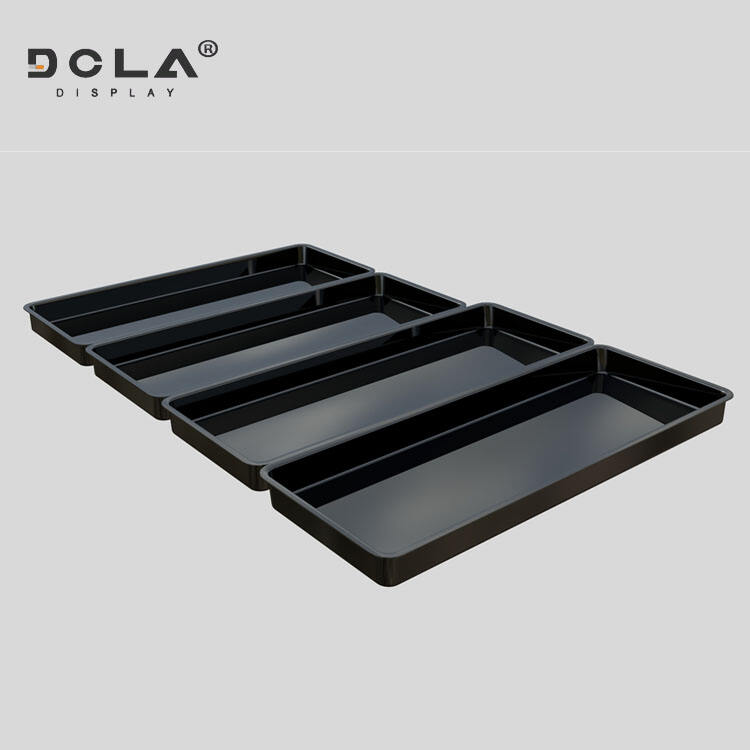
Cách lớp lót ABS đạt tiêu chuẩn thực phẩm ngăn ngừa nhiễm chéo ở cấp độ vật liệu
Độ nguyên vẹn của bề mặt không thấm nước: Ngăn chặn sự bám dính và lây truyền vi sinh vật gây bệnh
Khi nói đến an toàn thực phẩm, nhựa Acrylonitrile Butadiene Styrene (ABS) cấp thực phẩm tạo thành một rào cản hoàn toàn không thấm nước—điều này đặc biệt quan trọng vì nó ngăn chặn vi sinh vật ngay từ điểm xuất phát. Vật liệu này có cấu trúc đồng nhất và trơn mượt ở cấp độ phân tử, khiến các tác nhân gây hại như Salmonella hoặc E. coli rất khó xâm nhập qua bề mặt hoặc hình thành những lớp biofilm dai dẳng. Trong khi đó, các vật liệu thông thường có kết cấu gồ ghề hoặc chứa các lỗ chân lông vi mô lại tạo điều kiện cho vi khuẩn ẩn náu và nhân lên; điều này không xảy ra với nhựa ABS. Điều làm nên sự khác biệt của loại vật liệu này là khả năng duy trì độ nguyên vẹn cấu trúc mà không xuất hiện khe hở hay điểm yếu nào, đảm bảo không có nguy cơ nhiễm chéo giữa các khu vực khác nhau trong quá trình chế biến hoặc lưu trữ.
- Ngăn chặn việc hấp thụ chất lỏng mang theo vi sinh vật giữa các mẻ sản xuất
- Cho phép khử trùng triệt để mà không để lại độ ẩm dư thừa bên dưới bề mặt
- Giảm 97% số vị trí bám dính của mầm bệnh so với các loại nhựa có kết cấu bề mặt thông thường
ABS so với HDPE và PVC: Tại sao thành phần hóa học vật liệu lại quan trọng trong việc ngăn ngừa nhiễm chéo trên lớp lót dùng trong chế biến thịt
Việc lựa chọn vật liệu là một quyết định nền tảng về an toàn thực phẩm trong chế biến thịt—và ABS vượt trội hơn các vật liệu thay thế phổ biến nhờ các đặc tính hóa học và vật lý vốn có:
| Bất động sản | ABS | HDPE | PVC |
|---|---|---|---|
| Độ xốp bề mặt | Bề mặt nhẵn, không thấm, liền mạch | Các lỗ rỗng vi mô giữ lại độ ẩm và cặn hữu cơ | Dễ bị trầy xước và rò rỉ chất làm dẻo theo thời gian |
| Kháng hóa học | Kháng cao đối với chất béo, máu, axit và dung dịch muối | Phình to và suy giảm chất lượng khi tiếp xúc lâu dài với chất béo | Kháng thấp; các chất làm dẻo di chuyển vào các mô mỡ |
| Độ dung nạp nhiệt độ | Ổn định trong khoảng nhiệt độ từ –40°F đến 180°F (–40°C đến 82°C) | Mềm ra và biến dạng ở nhiệt độ trên 160°F (71°C) | Trở nên giòn ở nhiệt độ dưới 32°F (0°C); biến dạng dưới tác động của chu kỳ thay đổi nhiệt |
ABS duy trì độ ổn định về kích thước và cấu trúc dưới các ứng suất gia công thực tế—ngăn ngừa nứt vi mô, phồng rộp hoặc xói mòn gây tạo thành các ổ vi khuẩn trong thiết bị chuỗi cung ứng.
Ngăn ngừa lây nhiễm chéo trong thực tế trên toàn chuỗi cung ứng thịt
Vận chuyển từ nhà máy giết mổ đến cơ sở chế biến: Kiểm soát dịch rỉ, chất nhầy và sự lan rộng của màng sinh học
Các lớp lót ABS được thiết kế cho ứng dụng thực phẩm hoạt động như một rào cản bảo vệ khi vận chuyển xác động vật. Bề mặt nhẵn mịn, chống thấm nước ngăn chặn hiệu quả các chất bẩn như máu và cặn nhớt bám dính xâm nhập vào bên trong xe tải hoặc lẫn vào hàng hóa tiếp theo trong chuỗi vận chuyển. Điều làm nên sự khác biệt của những lớp lót này là khả năng loại bỏ các lỗ chân lông vi mô và khe nứt – những nơi vi khuẩn ưa thích ẩn náu. Khi không còn các vị trí ẩn náu này, việc hình thành màng sinh học (biofilm) sẽ trở nên khó khăn hơn nhiều – đây là nguyên nhân dẫn đến các vấn đề dai dẳng do vi khuẩn Listeria và Salmonella gây ra về sau. Thiết kế này thực tế giúp làm sạch hiệu quả sau mỗi chuyến vận chuyển, từ đó tuân thủ đúng quy trình vệ sinh khử trùng trở nên dễ dàng hơn rất nhiều. Các cơ sở sản xuất nhờ đó có thể tránh được các vấn đề nhiễm chéo có thể lan rộng từ ca làm việc này sang ca khác, hoặc từ địa điểm này sang địa điểm khác.
Nghiên cứu điển hình của USDA-FSIS: Giảm 42% Listeria monocytogenes Chuyển giao với lớp lót ABS
Nghiên cứu được thực hiện dưới sự giám sát của USDA-FSIS đã tiết lộ một phát hiện thú vị khi các nhà chế biến thực phẩm chuyển từ lớp lót nhựa có kết cấu bề mặt sang sử dụng vật liệu ABS đạt tiêu chuẩn an toàn thực phẩm. Sự thay đổi này làm giảm khoảng 42% mức độ lây truyền vi khuẩn Listeria monocytogenes sang các sản phẩm thịt sẵn sàng ăn trong các giai đoạn sau của quy trình chế biến. Vì sao điều này lại xảy ra? Thực tế, ABS sở hữu hai ưu điểm chính. Thứ nhất, bề mặt của nó không hấp thụ nước, do đó các tác nhân gây bệnh không thể di chuyển dễ dàng dọc theo các vệt ẩm. Thứ hai, vật liệu này đủ cứng cáp để chịu được hư hại do thiết bị xử lý gây ra, nhờ đó duy trì nguyên vẹn rào cản bảo vệ — điều mà nhiều loại nhựa mềm hơn không làm được do dễ bị rách hoặc thủng. Những phát hiện này giải thích lý do vì sao ngày càng nhiều cơ sở sản xuất đang áp dụng giải pháp ABS tại các điểm then chốt trong kế hoạch HACCP của họ, đặc biệt là sau các bước tiêu diệt vi sinh vật, nơi nguy cơ nhiễm bẩn vẫn ở mức cao trong suốt quá trình đóng gói và bảo quản.
Hiệu suất an toàn thực phẩm đã được xác minh: Hiệu quả làm rào cản và tuân thủ quy định
Dữ liệu ASTM F1921: Khả năng chống oxy, độ ẩm và mỡ nhằm đảm bảo tính toàn vẹn của thực phẩm dễ hư hỏng
Kết quả kiểm tra độc lập theo tiêu chuẩn ASTM F1921 xác nhận rằng lớp lót bằng nhựa ABS đạt tiêu chuẩn an toàn thực phẩm cung cấp khả năng bảo vệ rào cản đa lớp, thiết yếu cho việc đảm bảo an toàn thịt. Kết quả cho thấy:
- Tỷ lệ truyền oxy < 0,5 cm³/m²/ngày (ở 23°C/50% RH), ức chế sự phát triển của vi sinh vật hiếu khí
- Tỷ lệ truyền hơi nước < 0,1 g/m²/ngày, giảm thiểu nguy cơ hình thành màng sinh học do ngưng tụ
- khả năng chống mỡ đạt 99,8% (theo tiêu chuẩn ASTM F119-82), ngăn giữ các chất lỏng giàu lipid – vốn là môi trường vận chuyển vi sinh vật gây bệnh
Bộ ba đặc tính rào cản này duy trì tính toàn vẹn của thực phẩm dễ hư hỏng ở mức vượt trội so với những polymer xốp hoặc bán tinh thể — từ đó trực tiếp nâng cao hiệu quả phòng ngừa nhiễm chéo trong các lớp lót dùng cho thịt ngay từ cấp độ vật liệu.
Chứng nhận FDA 21 CFR và NSF/ANSI 51: Đáp ứng yêu cầu tiếp xúc trực tiếp với thực phẩm
Việc được chứng nhận theo tiêu chuẩn FDA 21 CFR 177.1020 và NSF/ANSI 51 nghĩa là nhựa ABS đạt tiêu chuẩn thực phẩm sẽ không phản ứng hóa học và vẫn đảm bảo an toàn ngay cả khi tiếp xúc trực tiếp với protein thô trong thời gian dài. Các nhà sản xuất tiến hành các bài kiểm tra nghiêm ngặt để xác định xem có bất kỳ chất nào từ nhựa di chuyển vào sản phẩm thực phẩm hay không. Những bài kiểm tra này nhằm phát hiện các chất làm dẻo, chất ổn định và kim loại nặng ở mức độ tới từng phần tỷ (ppb). Các cơ sở sản xuất phải được kiểm toán hàng năm bởi các chuyên gia độc lập nhằm đánh giá việc tuân thủ đầy đủ các Thực hành sản xuất tốt hiện hành (cGMP). Điều này bao gồm việc đảm bảo chất bôi trơn không gây nhiễm bẩn nguyên vật liệu và duy trì hồ sơ truy xuất nguồn gốc rõ ràng cho mọi thành phần. Với cả hai chứng nhận quản lý này, nhựa ABS cung cấp khả năng bảo vệ tuyệt vời chống nhiễm bẩn đồng thời duy trì tính an toàn về mặt hóa học. Đó là lý do vì sao rất nhiều cơ sở sản xuất quy mô lớn tin tưởng và sử dụng ABS cho các ứng dụng tiếp xúc với thực phẩm.
Câu hỏi thường gặp
ABS là gì và tại sao nó được sử dụng trong chế biến thịt?
ABS, hay Acrylonitrile Butadiene Styrene, là một vật liệu không thấm nước giúp ngăn ngừa nhiễm chéo. Vật liệu này mang lại những lợi ích như khả năng chống hóa chất cao và ổn định dưới các biến đổi nhiệt độ, do đó rất phù hợp cho an toàn thực phẩm trong quy trình chế biến thịt.
Lớp lót ABS so sánh với các vật liệu khác như thế nào?
Lớp lót ABS vượt trội hơn các lựa chọn thay thế như HDPE và PVC nhờ độ nguyên vẹn bề mặt nhẵn mịn, khả năng chống hóa chất vượt trội và độ ổn định nhiệt, từ đó giúp ngăn chặn vi khuẩn bám dính và lây lan.
Các chứng nhận nào đảm bảo lớp lót ABS an toàn khi tiếp xúc với thực phẩm?
Lớp lót ABS đáp ứng các yêu cầu chứng nhận FDA 21 CFR 177.1020 và NSF/ANSI 51, đảm bảo không xảy ra phản ứng hóa học hay nhiễm bẩn trong suốt thời gian tiếp xúc dài hạn với thực phẩm.