 EN
EN
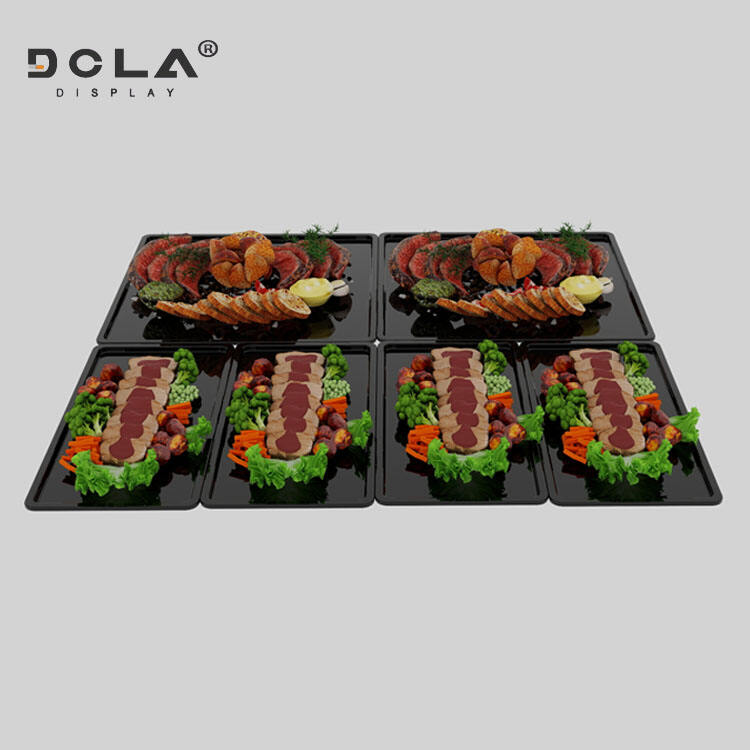
Gıda Kalitesinde ABS Et Astarlarıyla Düzenleyici Uyum ve Gıda Güvenliği Sağlanması
FDA ve EFSA uyumu: Et sergileme astarları için malzeme sertifikasyonunun önemi
Et sergileme astarlarının malzemelerinin FDA ve EFSA standartlarına göre sertifikalandırılması, isteğe bağlı değildir. Bu önemli sertifikalar, gıda sınıfı ABS malzemenin plastikleştiriciler, bisfenoller veya ağır metaller gibi herhangi bir tehlikeli madde içermadığını temelde doğrular. Bu durum, bu malzemelerin ham ve işlenmiş etlerle zaman içinde temas etmesi durumunda kimyasal geçişinin olmayacağı anlamına gelir. Bu gereksinimleri karşılamayan malzemeler, soğuk koşullarda buzdolaplarında saklansa bile, proteinin kendisine endokrin sistem bozucu bileşikler salgılayabilir. Bu tür kirlenme, et güvenliği düzenlemelerinde ciddi sorunlara yol açabilir ve ileride ürün geri çağırma işlemlerine neden olabilir. Şirketler ilk sertifikalarını aldıklarında, FDA Yönetmeliği 21 CFR 177.2600 ile EFSA’nın Plastikler Hakkında 10/2011 Sayılı Yönetmeliğini uyguladıklarını göstermiş olurlar. Bu durum, gıda güvenliği otoriteleri ile süpermarket raflarına neyin konulacağı konusunda güvence arayan büyük perakendeciler arasında temel düzeyde güven oluşturmayı sağlar.
Kirlenme risklerini azaltma: Gıda sınıfı ABS, sızıntı ve kimyasal geçişi nasıl ortadan kaldırır
Gıda sınıfı ABS, moleküler kararlılık, tamamen gözeneksiz yapı ve sıcaklık değişimlerine dayanıklılık olmak üzere üç ana özelliğin bir araya gelmesiyle kirlenmeyi önleyen güçlü bir bariyer oluşturur. Bu malzeme, etlerden gelen asidik sıvılara maruz kaldığında bozulmadan dayanır; bakterilerin mikroskobik düzeyde bile içeri girmesini engeller; -40 °F gibi çok soğuk veya yaklaşık 176 °F civarında kısa süreli ısıya maruz kalma durumlarında bile şeklini korur. Zararlı ftalatlar salan PVC alternatiflerinin aksine, doğru şekilde sertifikalandırılmış ABS’ten kimyasalların geçmesine izin verilmez. USDA testlerine göre, bu malzemeyle ambalajlanan ürünlerde yüzey patojenleri, yasal düzenlemelere uymayan standart astarlarla ambalajlanan ürünlere kıyasla yaklaşık %72 daha azdır. Bu durum, gıda güvenliği kurallarına uyulmasını sağlamakla kalmaz, aynı zamanda ürünleri mağaza raflarında daha uzun süre taze tutmayı da sağlar.
Soğuk Ortamlarda Gıda Sınıfı ABS Et Astarı'nın Performans Avantajları
Soğutulmuş sıcaklıklarda sertliğin, darbe direncinin ve conta bütünlüğünün korunması
Gıda sınıfı ABS, sıcaklıkların 0 ile 4 derece Celsius arasında seyrettiği bu soğuk depolama alanlarında gerçekten çok iyi dayanıklılık gösterir. Çekme mukavemeti yaklaşık 29 ila 43 megapaskal aralığında oldukça iyi bir düzeyde kalır ve sıcaklıklar eksi 20 derece Celsius’a kadar düştüğünde bile darbeye karşı direnç göstermeye devam eder. Bu, malzemenin düzenli sıcaklık değişimlerine maruz kaldığında veya ağır et parçalarını taşıdığında çatlamasını, bükülmesini veya şekil değiştirmesini engeller. Malzeme, bu hayati hava geçirmez contaları sağlam tutarak buzdolabının iç kısmında sabit sıcaklıkları korumaya ve nemi doğru şekilde kontrol etmeye yardımcı olur. Beklenmedik şekilde gevrekleşip kırılan diğer plastiklere kıyasla ABS, gün boyu boyutsal olarak kararlılığını korur. Bu tutarlılık, aslında gıda bozulma oranlarını azaltır ve mağaza müdürlerinin astarları sık sık değiştirmesini önler. Sürekli müşteri trafiğiyle uğraşan süpermarketler ve et işleme tesisleri için bu güvenilirlik, sağlık kodu gereksinimlerini karşılamada ve ürünleri daha uzun süre taze tutmada tüm farkı yaratır.
Biyofilm oluşumunu önleyen ve hijyen protokollerini kolaylaştıran gözeneksiz yüzey
Gıda sınıfı ABS, hiçbir şeyi emmeyen çok pürüzsüz bir yüzeye sahiptir; bu nedenle bakterilerin yapışması mümkün değildir. Bu durum, kirliliğin sürekli tekrar etmesinin temel nedeni olan biyofilmlerin oluşmasını engeller. Temizlik işlemi de çok daha hızlı hale gelir. Personel, NSF sertifikalı dezenfektanlarla yüzeyleri bir kez silerek patojenleri gerçekten ortadan kaldırabilir; diğer malzemelerde olduğu gibi yoğun ovma veya kimyasalların etki göstermesi için beklemeye gerek kalmaz çünkü o malzemeler sıvıları emer. Perakende çalışanları, temizlik görevlerini daha öncekine kıyasla yaklaşık %30 daha hızlı tamamladıklarını bildirmektedir; ayrıca Listeria’ya karşı daha iyi koruma sağlanmaktadır. Ayrıca bu malzeme kolayca lekelenmez ve kokuları da tutmaz. Temiz ve berrak görünümünü korur; kalıcı kimyasal kokular ise etin tadını etkilemez ya da müşterilerin vitrinde sergilenen ürüne bakış açısını olumsuz yönde etkilemez.
Kanıtlanmış İşlemsel Etki: Raf Ömrü Uzatma ve Patojen Azaltma
USDA tarafından doğrulanmış, teşhir yüzeylerinde Listeria monocytogenes azaltması (2023 denetim verileri)
ABD Tarım Bakanlığı'nın (USDA) 2023 perakende denetim raporuna göre, bu özel gıda sınıfı ABS et astarları, normal plastik astarlara kıyasla tezgâh yüzeylerindeki Listeria monocytogenes mikroorganizmalarını neredeyse %99,7 oranında azaltmaktadır. Bunun nedeni nedir? Aslında bu malzemeler kolayca madde emmezler (bu, gözeneksiz olmanın anlamıdır), mikrobiyal üremeyle daha iyi mücadele ederler ve günlük sıcaklık dalgalanmaları sırasında yoğuşma oluşumunu çok daha iyi yönetirler. Bu faktörler bir araya gelerek, Listeria’nın gelişemeyeceği ve dayanıklı biyofilm tabakaları oluşturamayacağı bir ortam yaratır. Gerçek dünya sonuçlarına bakıldığında, pastırma tezgâhları ve kasap bölümleri bulunan süpermarketler güvenlik standartlarında önemli iyileşmeler kaydetmiştir. Bazı büyük süpermarket zincirleri, tüm mağazalarında bu gelişmiş astarları tamamen kullanmaya geçtikten sonra et ürünleriyle ilgili ürün geri çağırma oranlarında yaklaşık üçte ikilik bir düşüş bildirmiştir.
Etin, kümes hayvanı etlerinin ve pastırmaların tazeliğinin uzatılması—mikrobiyal yük ve görsel kalite ölçütleriyle değerlendirilmiştir
Bağımsız raf ömrü çalışmaları, temel protein kategorileri boyunca performansı doğrulamaktadır:
- Sığır eti kesimleri : Mikrobiyal güvenliği korurken (≈10³ CFU/g) 4 günlük uzatma
- Tavuk : Renk kaybı %33 daha yavaş ilerler ve Pseudomonas türleri için 2,8 log'luk azalma
- Hazır delikli et ürünleri : Oksijen bariyeri işlevselliği lipid oksidasyonunu geciktirir ve sıvı kaybını %19 oranında azaltır
Bu sonuçlar, görsel çekiciliği korur, israfı en aza indirir ve kar marjının bütünlüğünü sağlar—özellikle her satılabilir saatinin karlılık ve sürdürülebilirlik hedefleri üzerinde doğrudan etkisi olan yüksek devir hızına sahip kolay bozulabilen ürünler için hayati öneme sahiptir.
Perakendeciler ve İşleyiciler İçin Uygulama En İyi Uygulamaları
Gıda sınıfı ABS et astarlarını adım adım kullanmaya başlayın; öncelikle müşterilerin ürünleri gerçekten gördüğü, dikkat çekici soğutmalı tezgâhlarda bunları test edin. Böylece bu astarların gerçek koşullarda nasıl performans gösterdiğini tam ölçekli operasyona geçmeden önce değerlendirebilirsiniz. Montaj ekiplerinin bu astarları doğru şekilde takmayı tam olarak bilmesini sağlayın; böylece su birikebilecek veya bakterilerin gizlenebileceği küçük boşluklar oluşmasın. Günlük temizlik rutini, bu astarların gözeneksiz yüzeyi sayesinde kalıntısı kalmadan kapsamlı bir temizlik yapılmasını kolaylaştırdığından, NSF onaylı dezenfektanları içermelidir. Düzenli ekipman kontrollerine artık astarların durumunu da dahil etmelisiniz: küçük çatlaklar veya montaj yerlerinden ayrılan kenarlar gibi aşınma belirtilerini gözlemleyin. Tüm bu gözlemleri dijital ortamda takip edin; çünkü FDA veya EFSA gibi denetim kurumları denetim için geldiğinde, iyi kayıtlarınız ileride büyük ölçüde baş ağrısı yaratmaktan sizi kurtaracaktır. Personelin ilk günden itibaren doğru şekilde eğitilmesi ve zaman içinde uygun bakım uygulamalarının sürdürülmesi, kontaminasyon risklerinin azaltılmasında, ürün ömrünün uzatılmasında ve düzenleyici gereksinimlerin sürekli karşılanmasında gerçekten büyük kazanımlar sağlar.
SSS Bölümü
Gıda Sınıfı ABS Astarlar nedir?
Gıda sınıfı ABS astarlar, et sergileme ortamlarında gıda güvenliğini sağlamak amacıyla kullanılan özel malzemelerdir. Bu astarlar zararlı maddelerden arındırılmış olmaları ve etlere kimyasal geçişe neden olmamaları açısından sertifikalandırılmıştır.
FDA ve EFSA sertifikasyonunun önemi nedir?
Bu sertifikasyonlar, et astarlarında kullanılan malzemelerin gıda ürünlerine zararlı kimyasallar salmadığından emin olmayı sağlar. Böylece astarların katı gıda güvenliği düzenlemelerine uygun olduğunu garanti eder.
ABS astarlar kirlenmeyi nasıl önler?
ABS astarlar, kimyasal geçişi ve bakteri nüfuzunu engelleyen moleküler olarak kararlı bir bariyer oluşturur ve bu sayede etler için güvenli bir ortam sağlanır.
ABS astarlar kullanılarak etlerin raf ömrü nasıl uzatılır?
ABS astarlar mikrobiyal yükü azaltır ve çürümeyle sonuçlanabilecek nem ve sıcaklık dalgalanmaları gibi çevresel faktörleri en aza indirir; böylece raf ömrünü uzatır.
ABS astarların uygulanmasında en iyi uygulamalar nelerdir?
En iyi uygulamalar, astarların görünür teşhir alanlarında test edilmesini, personelin doğru montaj ve temizlik teknikleri konusunda eğitilmesini ve astar durumlarının düzenli olarak denetlenmesini içerir.