
 EN
EN
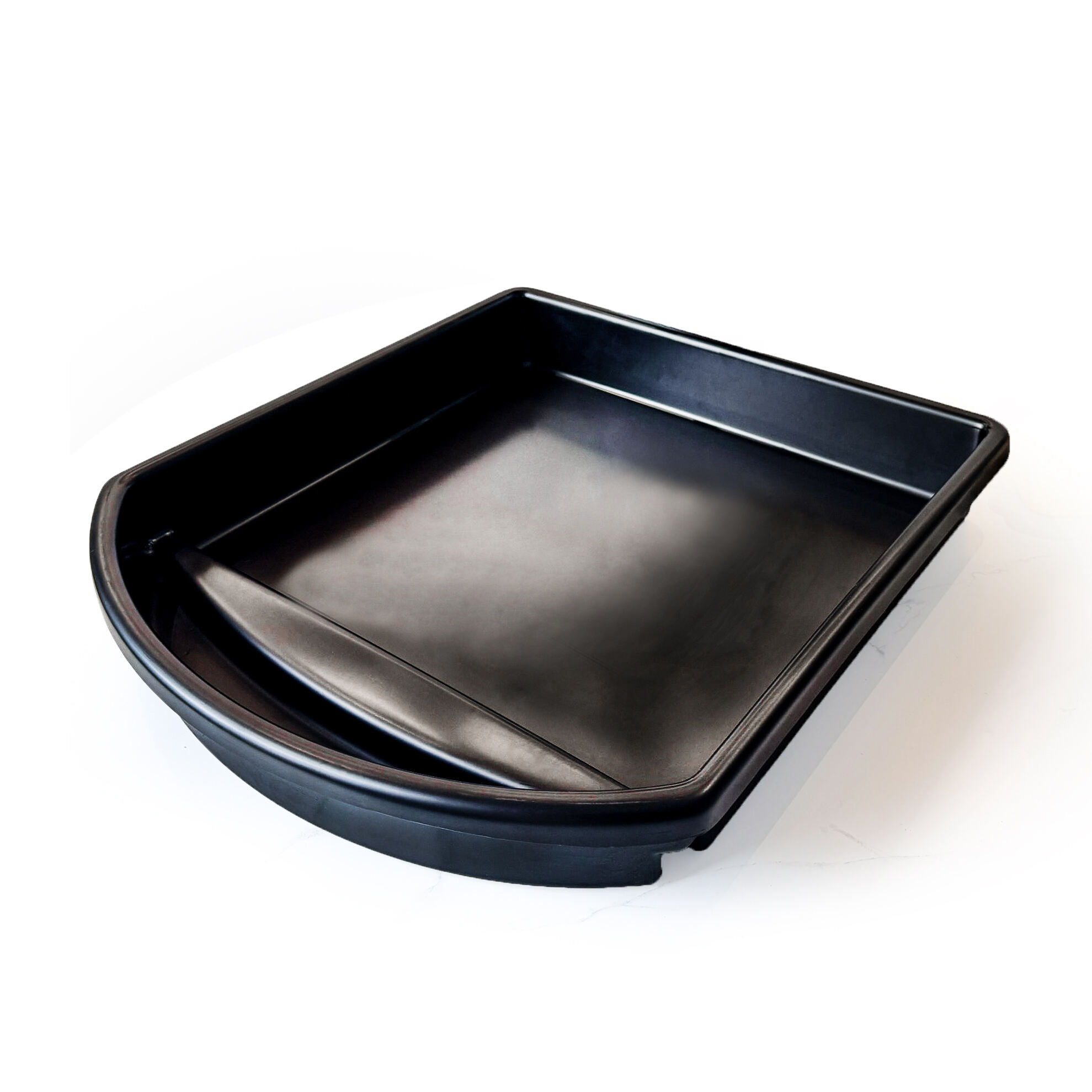
Structural Requirements of a Tray with Curved Front
Trays featuring curved fronts present special challenges when it comes to materials and how they're engineered. The smooth arc shape needs to be both easily molded and strong enough to handle weight stacking during shipping or storage situations. If not properly reinforced, those curves tend to weaken structurally over time. Manufacturers know this firsthand because uniform walls throughout the design matter a lot for keeping things balanced. When walls vary in thickness, stress builds up right at the top of the curve where most failures occur. We've seen plenty of deformation issues in production runs where these principles weren't followed strictly.
Corner radii that have been properly optimized help reduce those pressure points where cracks might start when weight is applied, and tapered sides make things nest together better. When it comes to dealing with sideways forces on curved surfaces, interlocking parts or ribs are pretty much necessary these days. Thermal stability matters too. Materials need to hold their shape during sterilization runs or when temperatures change during shipping. Automated systems require components with exact measurements down to the millimeter for everything to fit right together. Testing prototypes through compression trials that mimic how items stack on pallets is absolutely critical for seeing how they perform in actual conditions. A good design finds that sweet spot between looking nice and standing up to stress, turning what could be a weak point into something customers notice as a real selling feature instead.
Material Comparison: Performance and Practicality for a Tray with Curved Front
Acrylic: Lightweight Formability and Surface Considerations
Acrylic works really well for creating those complicated curved front shapes while still holding together structurally. The material isn't heavy at all which makes installing it much easier on workers and cuts down labor expenses somewhere around 30% when compared to heavier materials. There's one downside though that people often run into: scratches tend to show up pretty easily on the surface. Some field studies have found that acrylic trays need replacing about two and a half times as often as stone ones in busy areas where they get constant use. Thermal expansion is another thing to watch out for. Acrylic expands at about 0.07% for every 10 degree temperature change, so designers need to plan joints carefully if these materials will be used in places where temperatures fluctuate throughout the day.
Stone Resin & Mineralstone: Strength, Thermal Mass, and Curved-Front Moldability
The composite material offers impressive load bearing strength over 500 kg per square meter plus good thermal properties that help maintain steady temperatures across surfaces. They can be shaped into curves pretty easily but getting those exact dimensions right needs special tools which drives up manufacturing expenses around 15 to 20 percent compared to standard flat designs. With porosity levels below half a percent, these materials naturally resist bacteria growth so they work great where cleanliness matters most. Weighing between 22 and 28 kilograms per square meter means buildings need proper structural backing underneath. Architects usually plan for this requirement right from the start when incorporating these materials into building designs.
Steel Enamel and Slate-Effect Options: Hardness, Heat Retention, and Installation Realities
Steel trays are pretty tough stuff, with impact resistance around 9 on the Mohs scale and they conduct heat really fast and evenly throughout the surface area, which makes them great for use in those fancy therapeutic showers or busy commercial bathroom setups. Making that curved front panel properly takes some serious welding skill and careful calibration after finishing touches, so designers often find themselves stuck when trying to tweak designs later on. When it comes time to install these things, there's a few things to watch out for. Thermal bridging is a problem unless we put down those special isolation membranes first. The structure needs extra support too since these babies can handle about 35 kilograms per square meter of weight. And don't forget about those seams getting damaged over time in all that moisture. Oh, and if someone wants that slate look coating for better scratch protection? That'll definitely make the price jump somewhere between 12 to 18 percent higher.
User-Centric Factors: Comfort, Maintenance, and Long-Term Value
Barefoot Comfort and Thermal Conductivity by Material
How surfaces handle temperature has a real impact on how comfortable they feel when walked on barefoot, especially in those curved front tray designs. Stone resin stays pretty much the same temperature all year because it holds heat so well, unlike acrylic which quickly matches whatever temperature is around it. That means cold feet in winter and warm ones in summer. Steel enamel conducts heat extremely well too. After being used, it keeps holding onto that warmth for several hours, making it great for chilly areas but potentially uncomfortable during hot weather. The actual feel underfoot differs between materials as well. Engineered stone gives just enough give to absorb small bumps in the floor, while steel feels completely solid and passes along every little imperfection from beneath it straight to the soles of our shoes.
Cleaning, Scratch Resistance, and Lifetime Care
Maintenance requirements differ meaningfully across materials:
| Material | Scratch Resistance | Cleaning Effort | Longevity Factor |
|---|---|---|---|
| Acrylic | Moderate | Low (daily wipe) | Yellowing after 5–7 years |
| Stone Resin | High | Medium (pH-neutral cleaners) | 20+ years with periodic sealing |
| Steel Enamel | Exceptional | High (requires proactive stain prevention) | Lifetime, contingent on glaze integrity |
According to the Journal of Clinical Engineering from last year, when cleaning gets simplified, people actually stick to their maintenance routines about 35 to 55 percent more often, and products tend to last around 20 to 40 percent longer too. Surfaces that don't absorb stuff, like mineralstone, naturally fight off bacteria growth. The textured slate look works great at hiding water stains but needs special cleaners that are balanced in pH levels without being scratchy to keep the surface looking good. Picking the right material really depends on how much wear it'll get and who will be using it day to day. Steel enamel is probably best for places where lots of people come through regularly and professionals handle the upkeep. Stone resin tends to work well enough for most homes though, striking a nice middle ground between durability and aesthetics.
FAQ
What are the structural considerations for trays with curved fronts?
Trays with curved fronts need uniform wall thickness to prevent structural weakening. Optimized corner radii, interlocking parts, thermal stability, and compression trials are important for durability.
How do acrylic, stone resin, and steel enamel compare for curved front trays?
Acrylic is lightweight but prone to scratches, stone resin is strong and resists bacteria, and steel enamel offers high impact resistance but requires specialized installation and maintenance.
Which material offers the best barefoot comfort for curved trays?
Stone resin maintains consistent temperature year-round and offers some underfoot give, making it comfortable for barefoot use compared to other materials.